Vol. 4 No. 1 (2026)

Published: 2025-12-01

Article

  • Open Access

    Article ID: 636

    Machine learning-driven predictive maintenance models for hydrogen fuel cell systems in smart transportation networks

    by Hayder M. Ali, Khushboo Tripathi, Bhaskar Marapelli, Aseel Smerat, Firas Tayseer Ayasrah, Gnana Jeslin Jeya Chandir Mohana Dhas, Bekzod Madaminov, Sudhakar Sengan
    Clean Energy Science and Technology, Vol.4, No.1, 2026;
    101 Views

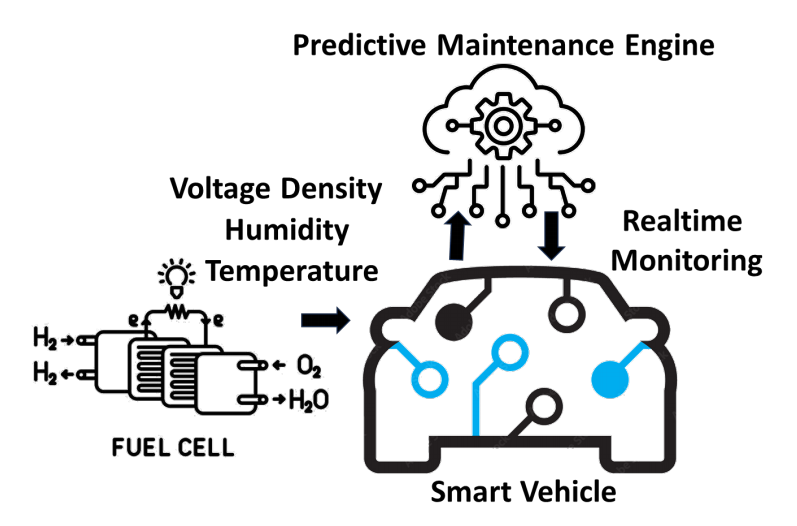
    Hydrogen Fuel Cells (HFCs) are a central technology for advancing decarbonized mobility in Smart Transportation Networks (STN), yet their durability is limited by advanced electrochemical and thermal degradation. Anticipating such errors requires Predictive Maintenance Models (PMM) capable of extracting health indicators and predicting model behavior under dynamic operating conditions. This study develops Machine Learning (ML)-driven models for Fault Detection (FD), Remaining Useful Life (RUL) prediction, and prognostic reliability test in the Proton Exchange Membrane Fuel Cell (PEMFC) model. A 24-cell PEMFC stack dataset comprising 1500 h of operation under automotive load cycling was employed to analyze Supervised Learning (SL), Deep Temporal Networks (DTN), and a physics-guided hybrid residual model. Model training used cross-entropy and Mean Squared Error (MSE) objectives with causality-preserving temporal partitioning. Results proved that Deep Learning (DL) methods outperformed traditional classifiers, with the hybrid residual LSTM achieving 97.3% classification accuracy, 65.1 h RUL prediction RMSE, and early prognostic stabilization 85 h before error. Robustness analyses verified resilience against sensor noise, and computational profiling confirmed real-time feasibility with implication latency below 50 ms. These results establish that integrating physics-guided constraints into data-driven models yields accurate, deployable predictive maintenance for HFC, thereby enhancing safety, efficiency, and availability in STN.

  • Open Access

    Article ID: 416

    Development and techno-economic assessment of a trigeneration system based on the gas turbine and solar energy for peak shaving of the power grid

    by Kamand Hosseini, Alireza Rostamzadeh Khosroshahi, Ehsan Akrami, Shahram Khalilarya, Hossein Nami
    Clean Energy Science and Technology, Vol.4, No.1, 2026;
    56 Views

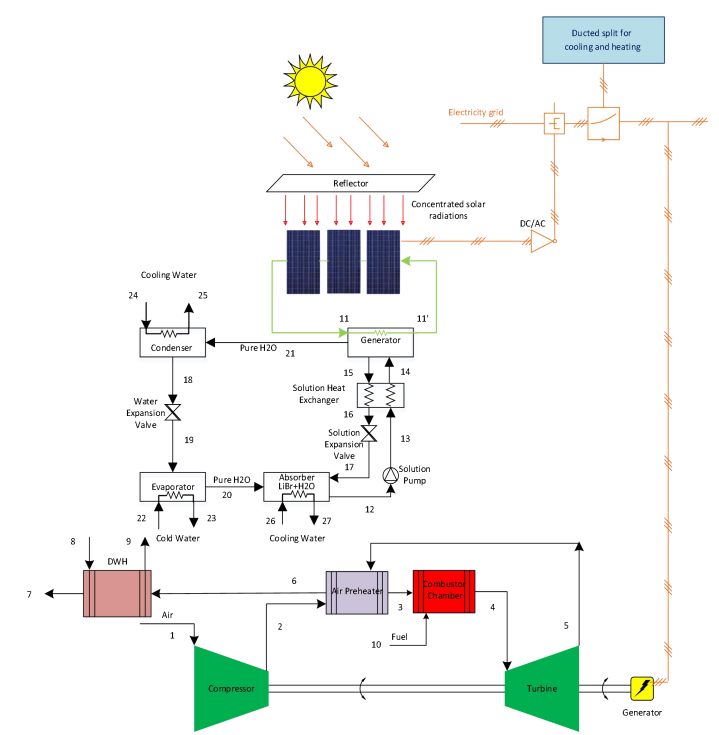
    The escalating demands in sectors like steel production and the waning availability of non-renewable energy resources highlight the urgent necessity for sustainable and resilient energy solutions. In this changing landscape, localized energy generation systems, particularly combined cooling, heating, and power (CCHP) systems, emerge as a strong candidate to facilitate independent energy production. Our study involved the development and evaluation of an advanced CCHP system combining a gas turbine and a concentrated solar photovoltaic (CPVT) unit. This system notably enhances the efficiency of both heating and cooling operations through innovative waste-to-energy conversions and a heat transformer incorporated in the CPVT setup. We examined the system’s thermodynamic and energetic principles alongside a detailed techno-economic assessment to establish its economic feasibility. Our results reveal that the proposed system efficiently provides heating, cooling, and electricity, particularly in peak demand intervals, with energy and exergy efficiencies of 51.05% and 29.42%, respectively. The solar photovoltaic component further supported cooling efficiency, demonstrating a performance coefficient of 0.8058. Given the current surge in global electricity costs, our system offers a hopeful alternative, promising sustainable and independent energy solutions at competitive rates, thus indicating a path forward in the enduring energy crisis.

  • Open Access

    Article ID: 635

    Multi-objective optimization of hybrid renewable microgrids integrating solar, wind, and biomass for rural electrification

    by Hayder M. Ali, Prashant Kumar Choudhary, Arokia Jesu Prabhu Lazer, Praveena Nuthakki, Aseel Smerat, Nivetha Sunderaraj, Sardor Sabirov, Sudhakar Sengan
    Clean Energy Science and Technology, Vol.4, No.1, 2026;
    127 Views

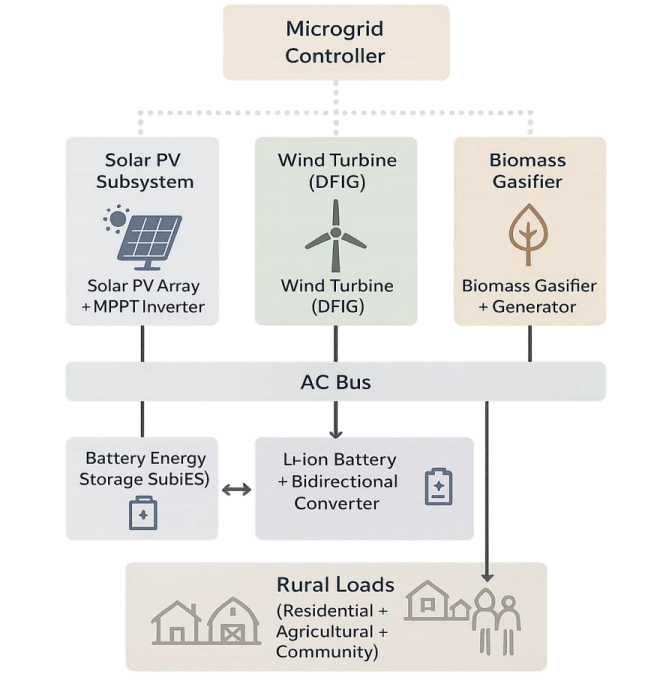
     Rural electrification in developing regions requires decentralized, sustainable energy systems that balance cost, reliability, and environmental performance. Hybrid renewable microgrids integrating solar, wind, and biomass have been studied extensively. However, existing methods frequently rely on generic component models and simplified operational methods, limiting their applicability to region-specific conditions. This study addresses these limitations through three novel contributions. (a) It develops Tamil Nadu-specific biomass feedstock modelling that incorporates seasonal agricultural residue availability and local gasification characteristics. (b) It implements integrated sizing and operation optimization using hourly dispatch decisions within the Non-dominated Sorting Genetic Algorithm II (NSGA-II). (c) It conducts a comprehensive 6-parameter sensitivity analysis to quantify model robustness under realistic uncertainty. The model optimizes hybrid microgrids integrating solar photovoltaic, wind turbine, biomass gasifier, and lithium-ion battery subsystems. Three conflicting objectives are minimized: Levelized Cost of Energy (LCOE), Loss of Power Supply Probability (LPSP), and carbon dioxide emissions. A case study of 350 rural households in Tamil Nadu validates the approach using hourly meteorological and load data with regionally calibrated techno-economic parameters. Results prove that hybrid configurations substantially outperform single-source systems across all metrics. Pareto-optimal solutions reveal critical trade-offs between economic, technical, and environmental objectives. Sensitivity analysis identifies demand growth, wind variability, and battery efficiency as dominant drivers of model robustness, while financial parameters primarily influence cost feasibility. The results validate region-specific hybrid microgrid optimization as a technically and economically viable pathway for sustainable rural electrification, providing policymakers with actionable insights on system sizing, resource management, and investment prioritization.

  • Open Access

    Article ID: 664

    Reducing energy consumption and carbon footprint in traditional sheep cheese production: A Portuguese case study

    by Catalin Bivol, João Garcia
    Clean Energy Science and Technology, Vol.4, No.1, 2026;
    53 Views

    The present study presents a comprehensive evaluation of an optimized integrated solution for reducing energy consumption and reduce environmental impact of a traditional sheep cheese production facility. A detailed analysis of the production process and associated energy flows revealed significant inefficiencies, particularly in the original refrigeration system composed of independent, low-efficiency units. An optimized and centralized CO2 (R744) refrigeration system including electronic control, combined with modular evaporators and LED lighting, result in a substantial reduction in electricity consumption. Also, complementary measures, such as heat recovery, solar thermal system, and biomass boiler, achieved reduced thermal energy demand by approximately 93%, enabling near self-sufficiency in the process. The installation of a photovoltaic system further decreased grid electricity consumption, resulting in an overall 61% reduction in electrical energy use and a 68% decrease in specific energy consumption (SEC). The optimized system achieved reductions of 87% in CO2 emissions, 66% in SO2 emissions, and a marked decrease in the TEWI index, highlighting the lower global warming potential. Economic analysis demonstrated a payback period of just over four years, confirming both the technical and financial viability of the proposed measures. Results demonstrate that the combined application of efficient refrigeration, renewable energy integration, and heat recovery can significantly improve energy efficiency, reduce environmental impact, and provide an optimized integrated solution for sustainable solutions for the agro-food sector.

  • Open Access

    Article ID: 575

    Techno-enviro-economic evaluation for decarbonizing the transmission network in Saudi Arabia: Optimizing power corridors toward cost-effective net-zero CO₂

    by Mohammed AlAqil
    Clean Energy Science and Technology, Vol.4, No.1, 2026;
    44 Views

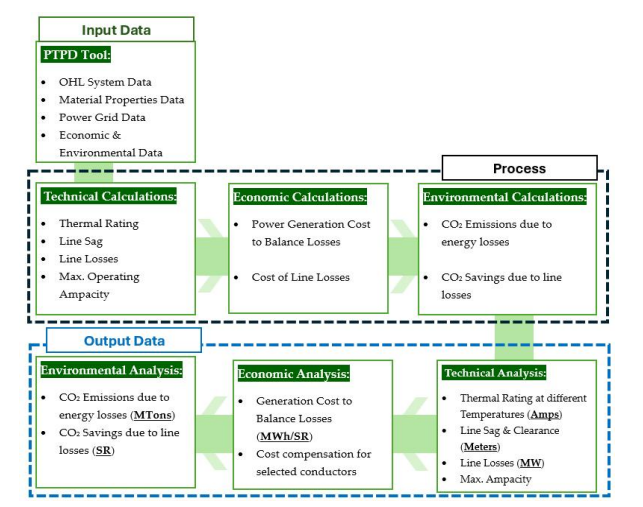
    Saudi Arabia has set a national target of reaching carbon neutrality by 2060, which places strong pressure on the power sector to adopt cleaner and more efficient technologies. This study examines how modern overhead transmission line conductors can contribute to that goal through a combined technical, environmental, and economic lens. A structured evaluation model is proposed that merges engineering analysis with statistical assessment to compare widely used conventional conductors against newer designs with enhanced efficiency. The investigation emphasizes reductions in transmission losses, improvements in current-carrying capability, and the resulting environmental benefits. A 380 kV transmission corridor in Saudi Arabia is used as a reference case to test the approach. In fact, four conductor technologies including ACSR, ACAR, AAAC, and ACCC are assessed through a purpose-built calculation tool benchmarked against IEEE and CIGRE practices. At a rated current of 2600 A, the base conductor exhibits annual energy losses of 258.67 MWh/year, whereas the ACCC DHAKA 1020 conductor reduces losses to 136.18 MWh/year, corresponding to a 47% reduction; ACAR 1236 achieves a 36% reduction with losses of 164.65 MWh/year. Conventional ACSR conductors show inconsistent performance, with DRAKE 26/7 reducing losses by only 4%, while HAWK 477 increases losses by approximately 70%, confirming their limited suitability for high-load, long-distance transmission. Additionally, the economic evaluation of a 380 kV, 360 km transmission line operating at 1700 MVA and 50 °C indicates annual operational line-loss costs exceeding SAR 1633 million for the base conductor, which are reduced by 53% when ACCC DHAKA 1020 is employed. These results highlight the importance of adopting advanced conductor technologies as a cost-effective pathway for strengthening transmission networks and aligning them with national sustainability and decarbonization strategies.

  • Open Access

    Article ID: 666

    Rooftop-based solar and rainwater harvesting systems as a sustainable urban solution for the water–energy nexus

    by Youssef Kassem; Hüseyin Gökçekuş, Hasan Yeşilyüz, Saeed Hussein Alhmoud
    Clean Energy Science and Technology, Vol.4, No.1, 2026;
    82 Views

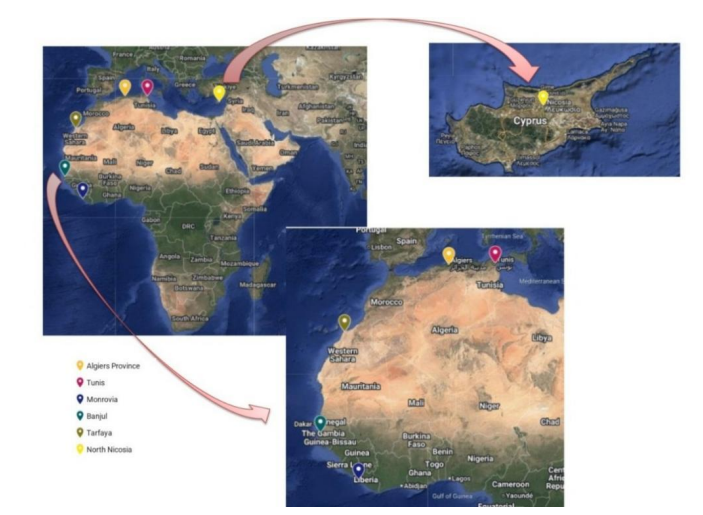
    The technical, financial, and environmental sustainability of a 70.20 kW grid-connected photovoltaic system combined with rainwater harvesting is investigated in six geographically varied regions (Algiers, Banjul, Monrovia, North Nicosia, Tarfaya, and Tunis). These locations, which represent various climatic zones across Africa and the Eastern Mediterranean, are especially selected to provide a comprehensive assessment concerning how environmental factors affect combined water-energy performance. Rainfall analysis reveals significant regional variation: Monrovia has the highest rainwater harvesting potential (RHP), ranging from 392 to 571 m3, followed by Banjul (138–232 m3), while arid Tarfaya has the lowest RHP, ranging from 10 to 42 m3. Moreover, the results reveal that latitude has a major influence on optimal energy generation. In all the Mediterranean regions analyzed herein (Algiers, Tunis, and North Nicosia), the yearly output varies between 105 and 115 MWh when the angle of inclination is between 30° and 40°. A tilt of 10° to 20° yields the best results for tropical regions, while in the arid desert climate of Tarfaya, the best performance of the PV system is obtained for a tilt ranging from 20° to 30°. Furthermore, the results of the economic assessment demonstrate that LCOE varies by region, ranging from a minimum of 2.37 cents/kWh for Algiers to a maximum of 6.04 cents/kWh for Tunis. North Nicosia and Tarfaya had the shortest payback periods, at 2.34 and 2.02 years, respectively. Additionally, the Mediterranean zone’s lifetime GHG savings ranged from 1136–1344 kg CO2-eq to the semi-arid Tarfaya region’s 2339 kg CO2-eq. Consequently, the combined assessment highlights the necessity of climate-adaptive design to maximize the sustainability of integrated PV-rainwater systems.

  • Open Access

    Article ID: 571

    Decarbonizing road infrastructure: A framework for adopting energy-efficient pavement technologies in Thailand

    by Disayapat Pakdeearporn, Danupon Sangnak
    Clean Energy Science and Technology, Vol.4, No.1, 2026;
    96 Views

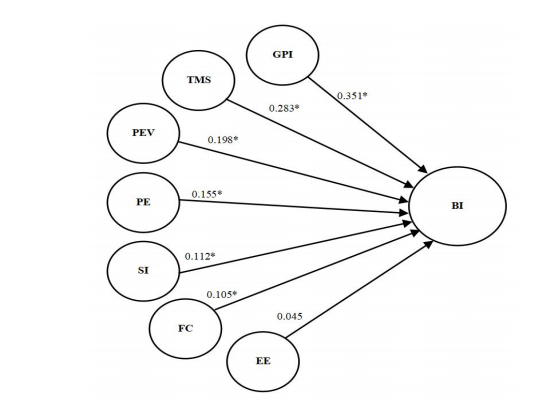
    This study develops and empirically validates a comprehensive framework to explain the factors influencing the adoption of Green Road Technologies (GRTs) in Thailand’s road construction industry, a critical component of the nation’s 2050 carbon-neutrality goal. Despite supportive government policies, a significant implementation gap hinders widespread adoption of GRT. To diagnose this issue, we employ an explanatory sequential mixed-methods design (QUAL → QUAN), where insights from 15 in-depth interviews with senior industry stakeholders directly informed the development of a quantitative model. Phase 2 involves a survey of 350 construction professionals, with the data analyzed using Partial Least Squares Structural Equation Modeling (PLS-SEM). The scientific novelty of this research lies in its extension of the Unified Theory of Acceptance and Use of Technology (UTAUT), which differs from prior studies by integrating macro-level (Governmental Policy & Incentives) and meso-level (Top Management Support) structural drivers to adapt the model for a capital-intensive, non-IT industry in a developing economy. The model demonstrates high explanatory power (R2 = 68.7%), indicating that Governmental Policy & Incentives (β = 0.351) and Top Management Support (β = 0.283) are the strongest drivers of behavioral intention. Perceived Economic Viability and Performance Expectancy were also significant, whereas Effort Expectancy was not, reflecting the unique professional culture of the engineering sector. The primary theoretical contribution is an empirically validated, multi-level framework that integrates policy, organizational, and individual factors, offering a nuanced understanding of technology adoption beyond traditional models. Practically, the findings provide a clear roadmap for stakeholders to bridge the policy-implementation gap and accelerate infrastructure decarbonization.

  • Open Access

    Article ID: 591

    Economic assessment of the prospects for the use of high-temperature steam turbines in power generation in the context of the transition to low-carbon energy

    by Evgeny Lisin, Ilya Lapin, Olga Zlyvko, Ivan Komarov
    Clean Energy Science and Technology, Vol.4, No.1, 2026;
    57 Views

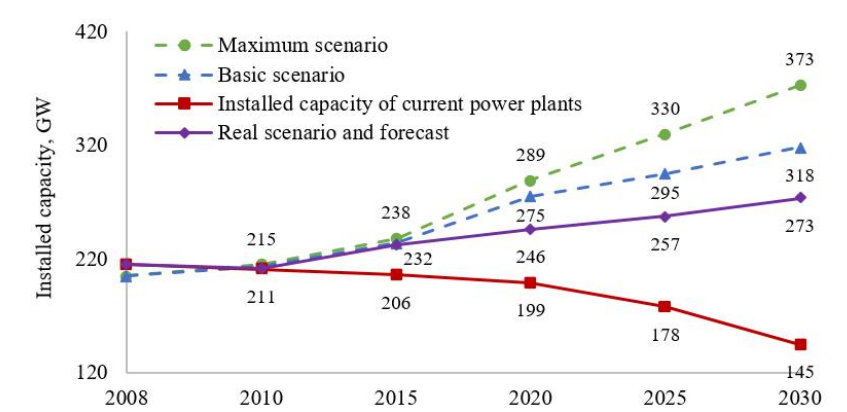
    This paper examines the economic assessment of the potential for developing power generation based on improved steam turbine energy efficiency in the context of the economic transition to low-carbon energy and unstable fossil fuel prices. Tighter government regulations on greenhouse gas emissions are creating new economic conditions for the development of high-temperature steam turbine units, necessitating the development of new economic models to assess their competitiveness depending on the level of technology. This study developed an economic and mathematical model for selecting the most efficient level of steam turbine technology in accordance with projected fuel prices, with and without greenhouse gas emission quotas, and identified the relationship between environmental costs and the economically feasible level of steam turbine technology development.

  • Open Access

    Article ID: 548

    Strategic selection of electric vehicles in the context of smart city development in Albania using the fuzzy MCDM methods

    by Arianit Peci, Adis Puška, Dragan Pamučar, Darko Božanić
    Clean Energy Science and Technology, Vol.4, No.1, 2026;
    118 Views

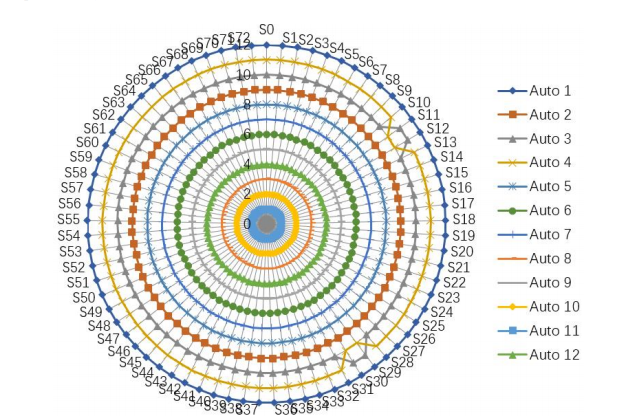
    The automotive industry is undergoing a significant transformation towards electric vehicles (EVs) with the main goal of reducing greenhouse gas emissions and for a sustainable and green environment. Different types of EVs are introduced every day in the market where selecting an optimal vehicle for purchase constitutes a complex decision-making. Therefore, the purpose of this research was to evaluate EVs in Albania using multi-criteria decision-making methods (MCDM). A total of 12 vehicles were analyzed based on 4 main criteria and 12 sub-criteria. The fuzzy Logarithm Methodology of Additive Weights (LMAW) method was applied to find the weights of the main criteria while the fuzzy Logarithmic Percentage Change-driven Objective Weighting (LOPCOW) method was applied to find the weights of the sub-criteria. For the EV ranking, the fuzzy Ranking of Alternatives with Weights of Criterion (RAWEC) method was applied. The findings showed that the most important criteria are the technical criteria and the Auto 11 vehicle showed the best results. The combination of Fuzzy LMAW-Fuzzy LOPCOW-Fuzzy RAWEC methods also constitutes the novelty of this research, which has not been applied before in this field. The contribution of this research consists in providing a comprehensive set of selection criteria to choose the best alternative of the EV fleet in Albania. Furthermore, the contribution of this research was the application of a hybrid methodology in the evaluation and selection of an electric vehicle as an ongoing choice faced by vehicle buyers.

  • Open Access

    Article ID: 633

    Deep reinforcement learning for real-time energy dispatch in smart grids with high renewable penetration

    by Hayder M. Ali, Catherine Solomon, Mercy Beulah Edward, Kolluru Suresh Babu, Aseel Smerat, Tanweer Alam, Sardor Sabirov, Sudhakar Sengan
    Clean Energy Science and Technology, Vol.4, No.1, 2026;
    101 Views

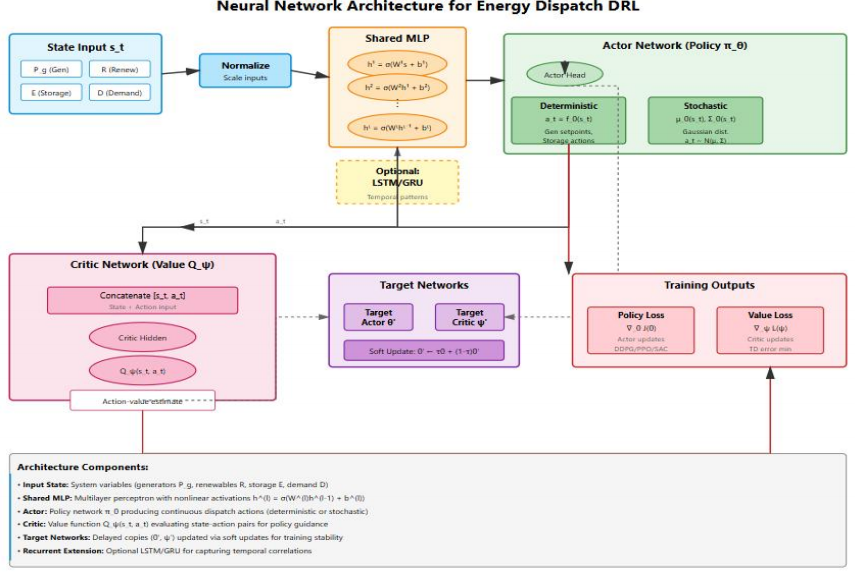
    The increasing penetration of Renewable Energy (RE) in modern Smart Grids (SG) introduces substantial variability and uncertainty, posing critical challenges to real-time energy dispatch. Traditional optimization and rule-based methods, while effective under deterministic conditions, exhibit limited adaptability to stochastic RE generation and fluctuating demand. This study develops a Deep Reinforcement Learning (DRL) model for real-time dispatch in renewable-dominated SG, formulating the problem as a constrained Markov Decision Process (MDP). Actor-critic networks—Deep Deterministic Policy Gradient (DDPG), Proximal Policy Optimization (PPO), and Soft Actor-Critic (SAC)—learn adaptive policies that jointly minimize operational costs, enhance renewable integration, and maintain grid reliability. A modified IEEE 33-bus distribution system with high RE diffusion is simulated using historical solar and wind profiles, storage dynamics, and realistic demand patterns. A comparative analysis of rule-based heuristics, deterministic Mixed-Integer Linear Programming (MILP), and two-stage stochastic optimization proves that DRL achieves superior performance across multiple dimensions. SAC delivers the best results, reducing operational costs by 20%, achieving 92.8% renewable application, and minimizing loss-of-load probability to 0.5%, while maintaining real-time computational feasibility (0.41 s per dispatch interval). Constraint satisfaction validation confirms 99.8% voltage compliance and 100% thermal limit adherence. Scalability analysis of the IEEE 123-bus network reveals sub-quadratic training-time scaling and effective model transferability under parameter variations. Sensitivity analyses confirm robustness under varying prediction errors, dispatch granularities, and storage configurations. These results establish DRL as a scalable, reliable, and cost-efficient model for next-generation SG dispatch under RE uncertainty.

  • Open Access

    Article ID: 503

    Thermoelectric power generation in a top-heat-collection and vapor-bubble-driven thermosyphon

    by Takeshi Kawashima
    Clean Energy Science and Technology, Vol.4, No.1, 2026;
    75 Views

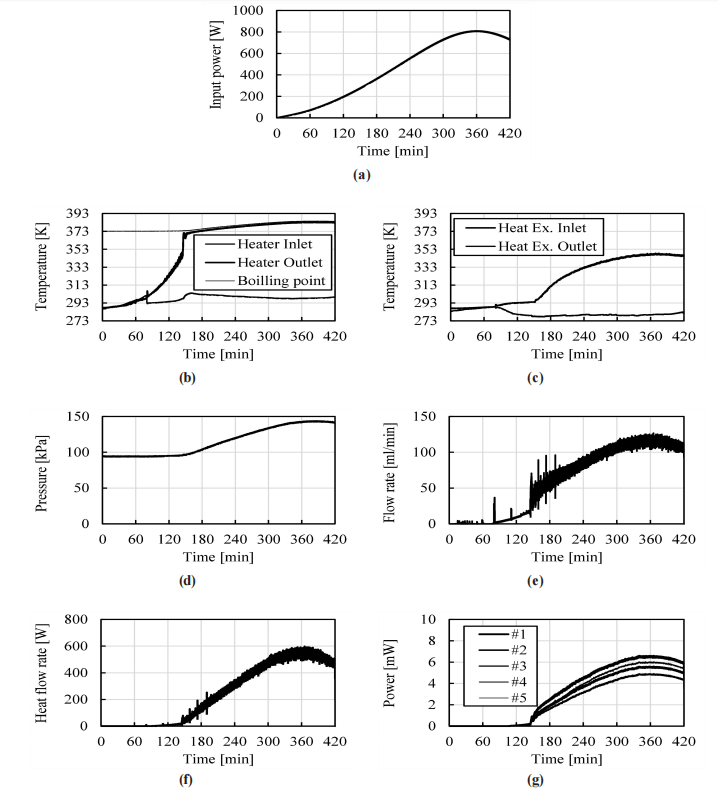
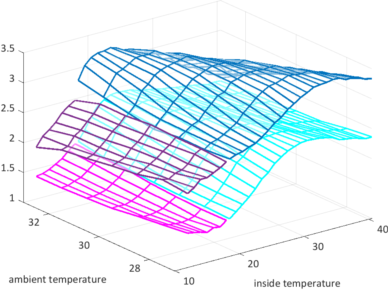
    Top-heat-collection and vapor-bubble-driven thermosyphon systems circulate a working fluid in a closed-loop pipe by utilizing the vapor-bubble buoyancy, effectively transporting heat from a heated top section to a cooler bottom section without external power. However, weather conditions can affect the flow of working fluid in a pipe, leading to issues including intermittent flow, sudden boiling, and pipe failure, thereby shortening their service life. To solve this problem, this study proposes controlling the pressure inside a pipe to transform an intermittent flow into a continuous flow. However, if an external power source is used for controlling the pressure, the top-heat-collection and vapor-bubble-driven thermosyphon loses its advantage of not requiring external power. Therefore, this study ensured that the generation of pressure-control electricity by the thermoelectric elements in the heat-exchange section is not related to heat transport in the thermosyphon, that is, in the heat-exchange section where the vapor is condensed. Experimental results show that the proposed model successfully generated approximately 28.5 mW of electricity without disturbing heat transport.

  • Open Access

    Article ID: 484

    Synergistic co-digestion of agroindustrial biomass waste for optimized digestion for liquid biofertilizer recovery

    by Dennis Renato Manzano Vela, John Oswaldo Ortega Castro, Ana Carola Flores Mancheno, Catherine Frey
    Clean Energy Science and Technology, Vol.4, No.1, 2026;
    78 Views

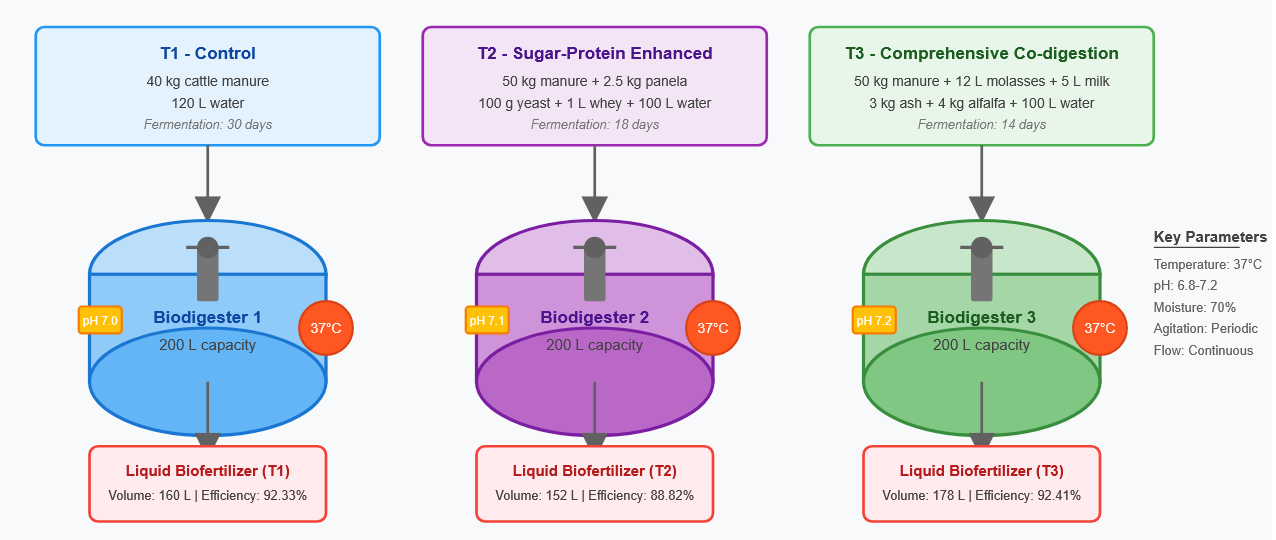
    The improvement of biomass energy systems through waste valorization strategies represents a promising approach for rural energy infrastructure development. This study evaluated synergistic anaerobic co-digestion approaches to optimize liquid biofertilizer recovery from diversified agroindustrial biomass waste streams in the Ecuadorian highlands. Three formulations were tested: cattle manure, panela-yeast-whey blend, and molasses-milk-ash-Medicago sativa combination using 200 L tubular biodigesters at 37°C under randomized complete block design. Physicochemical characterization followed NTE INEN standards with ANOVA statistical analysis. The optimized co-digestion formulation achieved substantial improvements in nutrient concentration. Organic matter content elevated to 48.8% while bioconversion efficiency maintained 92.4%. Process optimization reduced fermentation time without compromising volumetric yield, demonstrating enhanced biomass throughput for distributed energy applications. Statistical validation confirmed treatment superiority across all macronutrients (p < 0.001). This multifunctional biorefinery approach transforms heterogeneous agricultural residues into value-added products, advancing biomass valorization technologies and supporting circular bioeconomy development in smallholder energy systems.

  • Open Access

    Article ID: 553

    Synthesis and characterization of highly active and coke resistant Ni/SBA-15 catalysts for dry reforming of methane

    by Saeed Hajimirzaee, Emmanuel Iro, Maria Olea
    Clean Energy Science and Technology, Vol.4, No.1, 2026;
    117 Views

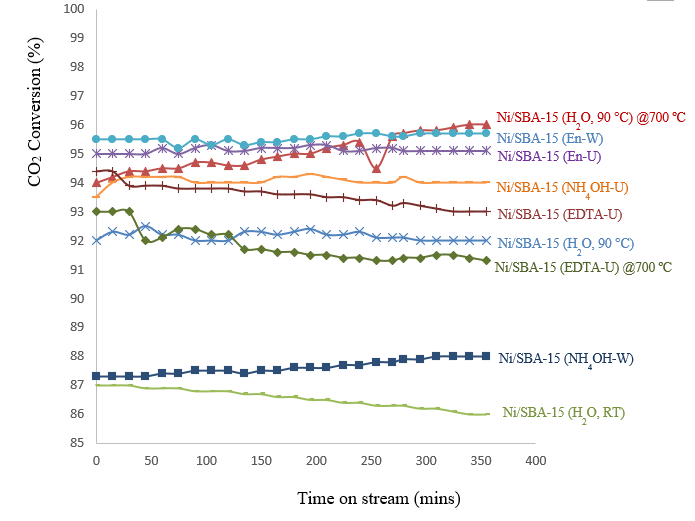
    A series of newly-developed Ni/SBA-15 catalysts were synthesised by combining strong electrostatic adsorption (SEA) of [Ni (En)3]2+ (En = ethylenediamine), [Ni (NH3)6]2+ and [Ni (EDTA)]2- complexes, respectively, and engineered SBA-15 supports, or, in other words, by adopting Charge Enhanced Dry Impregnation (CEDI), to produce highly active catalysts with very small nickel particles, resistant to carbon deposition, sintering and deactivation phenomena associated with nickel based catalysts in dry reforming of methane (DRM). In parallel, other Ni/SBA-15 catalysts were prepared by conventional incipient wetness impregnation method with [Ni (H2O)6]2+ complex and used as the reference catalysts. TEM, wide-angle XRD, EDX, TGA results, and temperature programmed experiments confirmed that the catalyst’s preparation method has a strong impact on the size of the generated nickel particles and the amount of Ni deposited, which in turn were responsible for the catalytic activity and coke resistance. SEA on SBA-15 deposits from 4.8 wt% to 6.1 wt% Ni, depending on the complex used, while the DI deposits only 3 wt% of Ni. The size of resulting Ni particles is between 3 and 8 nm for the unwashed SEA samples. For the DI unwashed samples, the size is significantly bigger, at 20–50 nm. For the SEA washed samples before calcination, i.e., those synthesised by using [Ni (NH3)6]2+ and [Ni (En)3]2+ complexes, the Ni particle size is less than 1 nm. For these catalyst samples, only a small amount of carbon was deposited during the DRM reaction as confirmed by TGA results, which indicated only 0.08 wt% and 0.13 wt% carbon deposition.

  • Open Access

    Article ID: 530

    Bridging accuracy and interpretability: Comparative insights from interpretable and black-box models for CO₂ emission forecasting

    by Hrithik P. M., Mohammad Shahfaraz Khan, Imran Azad, Mohammed Wamique Hisam, Amir Ahmad Dar, Aseel Smerat
    Clean Energy Science and Technology, Vol.4, No.1, 2026;
    75 Views

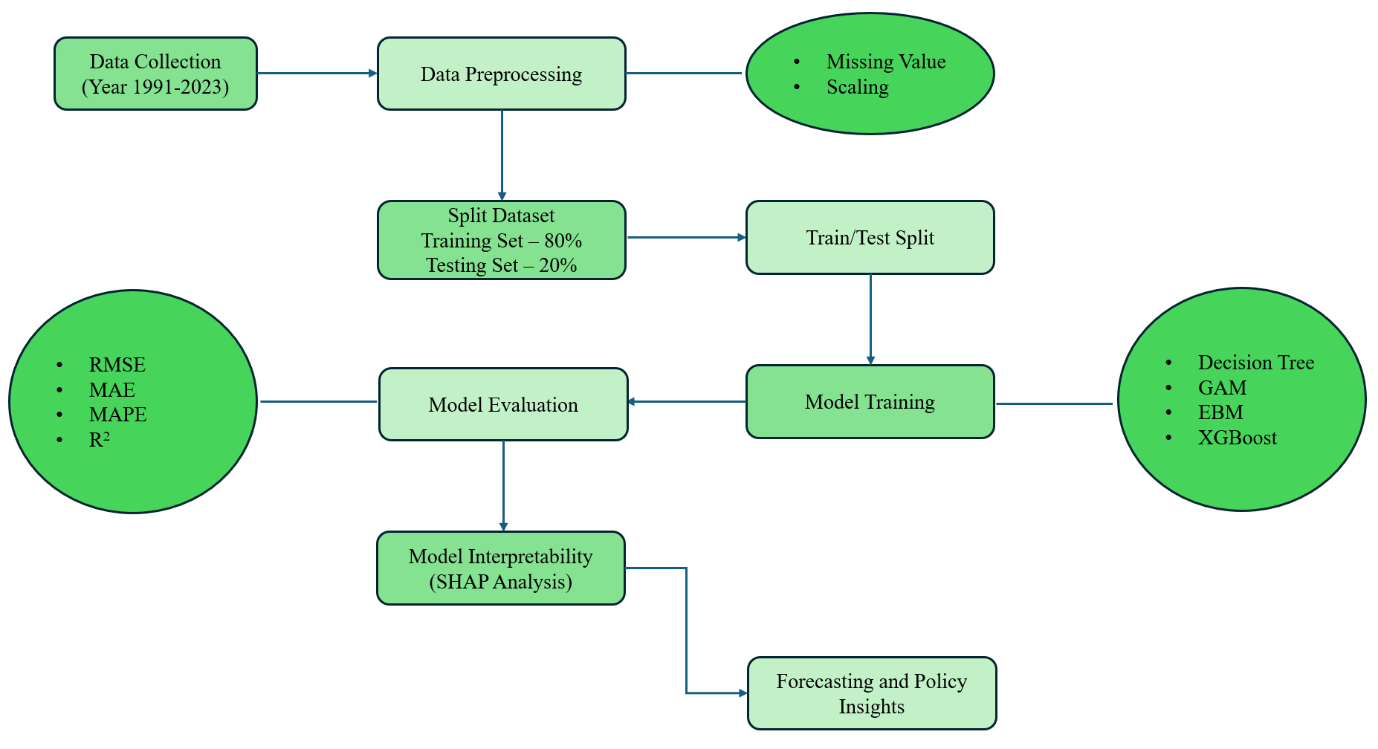
    The accurate and understandable carbon dioxide (CO2) emission prediction is necessary in developing effective climate policies especially in fast developing nations such as India. Although some highly developed machine learning (ML) models (e.g., XGBoost and LSTM) have a high predictive accuracy, they are black-box models and do not permit application directly in policy making. To fill this gap, this paper explores the possibility of interpretable ML models to predict CO2 emission with a small yet critical set of predictors: total energy production (TEP) and total energy consumption (TEC). Decision Trees, Explainable Boosting Machines (EBMs), and Generalized Additive Models (GAMs) were constructed to compare annual 1990–2023 data and compare them against traditional black-box solutions. These findings indicate that, in terms of accuracy and interpretability, EBMs and GAMs outperform traditional models, and their error measurements prove their high level of performance. SHAP (SHapley Additive Explanations) analysis also presented the fact that the increasing TEP and TEC have a great impact that contributes to the emissions, so it is necessary to consider renewable energy and energy-efficient solutions on a large scale. This paper, which combines strong forecasting with clear understanding, can assist in replicable analysis of applying interpretable models to climate policy, to achieve more specific interventions and effective monitoring of the reduction of emissions.

  • Open Access

    Article ID: 524

    Multi-energy flow coupled differential equations and distributed safety control for digital twin in integrated energy systems

    by Ruijia Guan, Yan He
    Clean Energy Science and Technology, Vol.4, No.1, 2025;
    158 Views

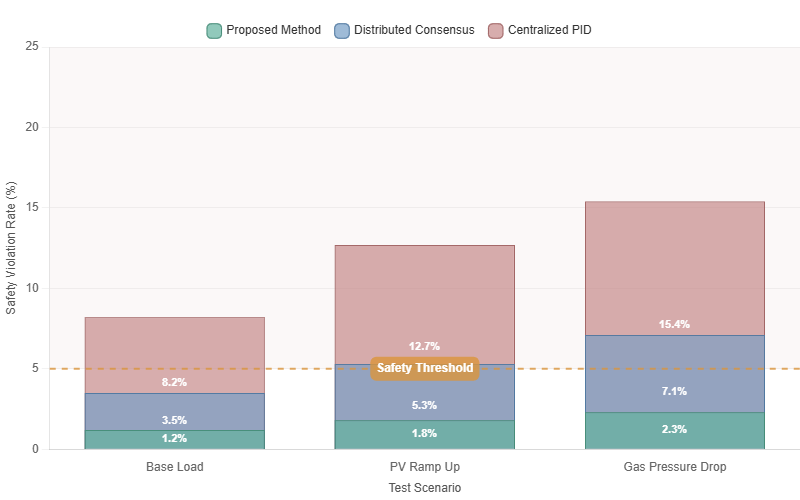
    Digital twin technology offers significant potential for integrated energy systems (IES); however, existing approaches often lack an integrated framework that combines high-fidelity dynamic modeling of coupled multi-energy flows, distributed real-time control with safety guarantees, and proactive safety optimization. This article proposes an integrated optimization framework for energy systems tying together multi-energy flow coupled differential equations and distributed control strategies. By utilizing digital twin modeling, real-time safety regulation, and distributed control, remarkable performance improvements are achieved. Experimental results show that: (1) Compared with traditional centralized PID and distributed consensus approaches, the proposed coupled model improves the digital twin accuracy (ECA) to 95.4% ± 0.9%, representing an increase of 10.2 and 4.7 percentage points, respectively; (2) Compared with traditional approaches, the distributed control architecture decreases the convergence time (CT) to 2.1 ± 0.3 s; (3) The safety constraint violation rates (SVR) are controlled below 1.2% ± 0.7%; (4) Compared with traditional approaches, the multi-energy coordination optimizes the energy utilization efficiency (MEE) to 78.6% ± 1.9%, which is 13.5 percentage points more. Furthermore, theoretical analyses explain the synergistic optimization mechanism between coupled nonlinear terms and distributed consensus algorithms for stability and energy efficiency of the proposed system. This article offers an integrated “modeling-control-optimization” solution for integrated energy systems (IES) under high penetration renewable energy integration.

  • Open Access

    Article ID: 590

    Technical and economic aspects of development of power generation systems based on highly efficient gas turbine technologies

    by Evgeny Lisin, Ilya Lapin, Aleksei Malenkov, Dmitriy Lvov, Roman Zuikin
    Clean Energy Science and Technology, Vol.4, No.1, 2025;
    153 Views

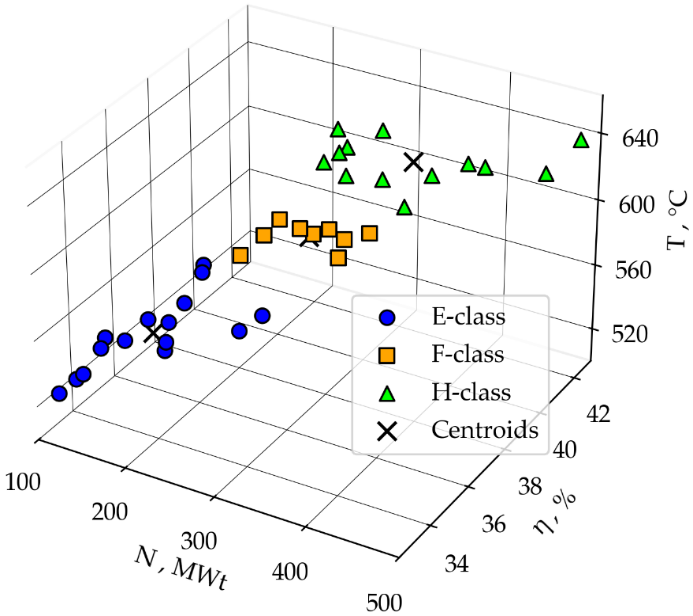
    The paper is devoted to the study of technical and economic aspects of the development of power generation systems based on highly efficient high-power gas turbine technologies. Using cluster analysis tools, technological classes of existing high-power gas turbine equipment are identified and a methodology for selecting a promising level of gas turbine technology is developed, which allows justifying the choice of power plants to meet the energy system's need for electric power. The developed methodology provides a quantitative assessment of the economic efficiency of the identified technological classes of gas turbine plants, taking into account the observed and forecasted levels of fuel prices and the need of thermal power plants for electric power. Its application allows selecting the most promising gas turbine unit for scaling within the energy system, depending on the expected parameters of the external environment, determined by the market conditions of the functioning of the country's electric power sector and the adopted policy in the field of energy security.

  • Open Access

    Article ID: 525

    Numerical investigation of laminar hydrogen combustion across multiple flame configurations under pressure and strain effects

    by Amr Abbass
    Clean Energy Science and Technology, Vol.4, No.1, 2025;
    260 Views

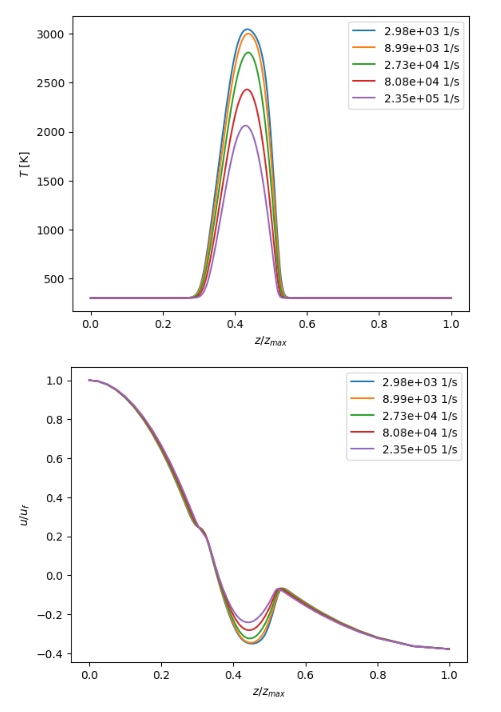
    This research quantitatively examines laminar hydrogen combustion under diverse pressure and strain conditions, employing comprehensive chemical kinetics in Cantera 3.0 with the H2–O2 and GRI-Mech 3.0 mechanisms. To learn more about flame speed, structure, and extinction behavior, we looked at four main flame configurations: freely propagating premixed, counterflow diffusion, premixed counterflow, and stagnation-point flames. The laminar flame speed of pure hydrogen was 310 cm/s, which means it burned very quickly because it spread out quickly. Hydrogen stayed stable up to a strain rate of 6.0 × 105 s–1 before it went out. The peak flame temperature dropped from 3600 K to 3000 K when the pressure rose from 1 bar to 100 bar. This shows that higher pressure makes things more stable but less heat is released. The innovation of this study resides in the integration of all principal flame configurations into a cohesive modeling framework, demonstrating that strain rate exerts a more significant impact on flame collapse than pressure. These results give us a baseline for designing efficient turbines, rocket combustors, and industrial heating systems that run on hydrogen.

  • Open Access

    Article ID: 468

    Stochastic control of flexibility to solar energy generation from demand-side

    by Hana Baili
    Clean Energy Science and Technology, Vol.4, No.1, 2025;
    185 Views

    The number of photovoltaic installations at residential level has risen to a marked extent; this has led to the development of microgrids powered mainly by photovoltaic. Motivated by these technologies, particularly with smart grids and IoT-enabled devices, this paper explores the first main stochastic control method—the dynamic programming principle—for enhancing flexibility from the demand side. This is brought about by adjusting the demand for electricity to better match generation from solar energy over the course of each hour, day or longer timeframe. The proposed method is applied to household appliances which exhibit spontaneous cycling, called thermostatically controlled loads, and can manage uncertainty related to weather by employing the technique of shaping filter for modeling ambient temperature as diffusion processes. A stochastic control problem has henceforth been established, and we have come through with a quite novel flexibility Markov model. Accordingly, in theory, the Hamilton–Jacobi–Bellman equation provides the only closed-form exact solutions. Even if the existence of solutions to Bellman’s equation is assured, it is often difficult to compute or characterize optimal controls from Bellman’s equation. Our substantial contribution in this work consists of a systematic method for approximating the exact solutions, inspired from the Taylor-Young formula of second-order in the continuous component of the state. Some of our computational experiences are provided in the context of behind-the-meter solar power with simulated scenarios: step function-like random functions and periodic functions. Monte-Carlo method is employed to study the impact of stochastic versus open-loop control. We believe that the comparative study reveals the breadth of flexibility control, namely, to convert the social benefit of mitigating the consequences of renewables uncertainty to a private benefit for users.

Review

  • Open Access

    Article ID: 573

    Advancements in battery technology: A comprehensive review

    by Ibraheem Redhwi, Saad Almalki, Haytham Radhwi, Abdulmohssin Jarwali, Ali Abaaltahin, Ahmad Fallatah
    Clean Energy Science and Technology, Vol.4, No.1, 2026;
    109 Views

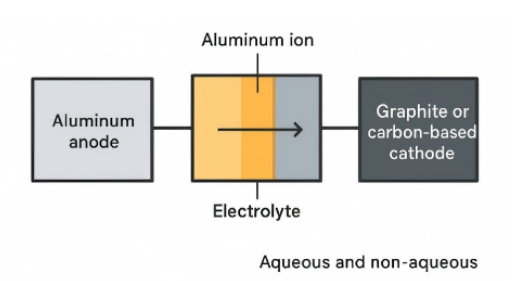
    This review presents a comprehensive examination of recent advancements in battery technology, a field that continues to underpin the rapid growth of portable electronics, electric vehicles (EVs), and large-scale energy storage systems. It begins with an overview of conventional battery chemistries, outlining the operating principles, performance metrics, and commercial relevance of both primary systems—such as alkaline and zinccarbon—and secondary systems including nickel–cadmium (NiCd), nickel–metal hydride (NiMH), and the diverse family of lithiumion batteries. Particular attention is given to widely used Liion chemistries such as lithium cobalt oxide (LCO), lithium manganese oxide (LMO), lithium nickel manganese cobalt oxide (NMC), lithium iron phosphate (LFP), and lithium nickel cobalt aluminum oxide (NCA), highlighting their strengths, limitations, and evolving roles in modern applications. The review then explores emerging trends shaping the next generation of EV batteries, with a special focus on the integration of graphene and other advanced carbon materials to enhance conductivity, stability, and energy density. Developments in solid-state batteries, hybrid lithium-ion capacitors, and innovative manufacturing techniques are also discussed, alongside progress in fastcharging technologies and intelligent Battery Management Systems (BMS). Sustainability remains a central theme throughout the paper, emphasizing the importance of recycling strategies, material recovery, and ethical sourcing of critical minerals. The review concludes by assessing current market trajectories and identifying key challenges that must be addressed to achieve safer, more efficient, and environmentally responsible energy storage solutions.

  • Open Access

    Article ID: 520

    Potential sources of uncertainties in actual Slovak nuclear power policy

    by Vladimir Slugen
    Clean Energy Science and Technology, Vol.4, No.1, 2025;
    276 Views

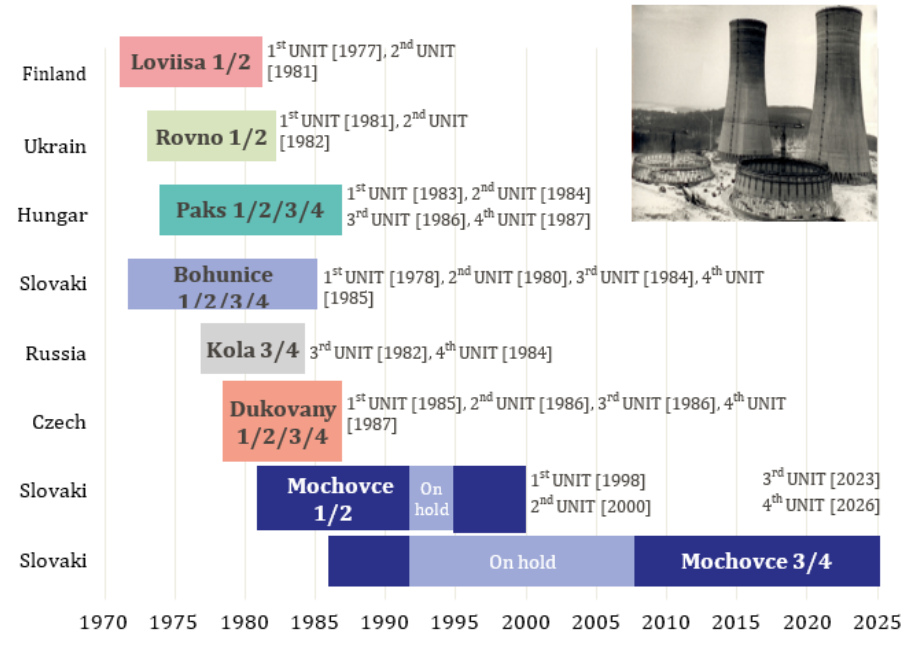
    The paper is focused on the relevant risk and uncertainty evaluation of Slovak nuclear power policy. There are considerations about cost estimations for decommissioning and radioactive waste management in Slovakia. Results were incorporated into the actualization of Slovak national policy and program for spent nuclear fuel and radioactive waste management, which was sent for acceptance to the Government of Slovak Republic for the next 6 years period. The most significant risks in Slovakia are connected to build of deep geological repository, and too much consider new projects, which will probably influent human resources in decommissioning. Nevertheless, the nuclear optimism declared in political support of Slovak government should be balanced via real investment to improvement of nuclear infrastructure in Slovakia/Europe/world-wide including substantial investment in nuclear knowledge and human resources. The paper can be inspirative also for other countries with developed nuclear program as Slovak lessons learned.