Vol. 4 No. 2 (2026)

Published: 2026-03-01

Article

  • Open Access

    Article ID: 628

    Optimizing energy efficiency through smart manufacturing solutions in small-scale metal industries

    by Madan Mohanrao Jagtap, Vandana Prashant Sonwaney, Sagar Ramesh Khiste
    Clean Energy Science and Technology, Vol.4, No.2, 2026;
    81 Views

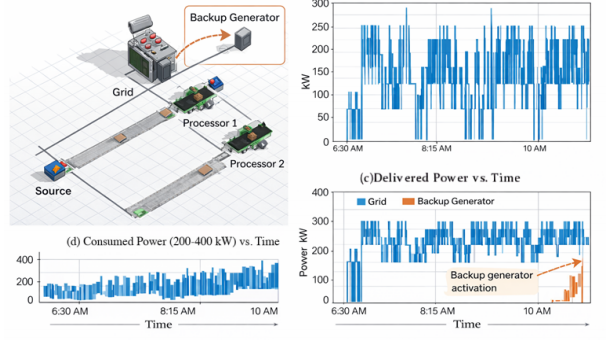
    Small Scale Metal Industries (SMI) require huge amounts of energy to function. Although small-scale industries play a vital role in contributing to the economic development of the nation by way of exporting manufactured goods, the use of outdated systems and equipment results in a loss of energy efficiency and a lack of visibility and transparency of the process flow. As a solution to the problems that arise from poor digital integration in such processes, this paper presents a framework referred to as DLCMF (Digital Life Cycle Management Framework) for energy-intensive small and medium enterprises. In order to monitor the consumption and energy flow in the processes, process mining, real-time analytics, and discrete event simulations have been incorporated into the framework. In the context of this research, a simulation of a Machining industry in the state of Maharashtra was undertaken using the software Flexsim, which has been designed with Industry 4.0 and IoT capabilities. It has proven to be effective in reducing the consumption of energy (by 22%) and the amount of materials used (17%). In addition to this, the model facilitates a seamless integration process with respect to smart sensors, PLCs, and ERP systems, resulting in digital transformation within traditional manufacturing settings. The results resonate well with the Sustainable Development Goals, especially SDG 9, SDG 7, and SDG 13, due to improved energy efficiency, cleaner energy usage, and lower emissions of greenhouse gases. The paper provides good implications for policymakers, SME owners, and researchers who would want to align small-scale industrial practices with global sustainability objectives.

  • Open Access

    Article ID: 794

    Development and CFD study of vortex burner device for oxy-fuel combustion chamber

    by Sergey Osipov, Andrey Vegera, Polina Golosova, Olga Zlyvko, Aleksey Malenkov
    Clean Energy Science and Technology, Vol.4, No.2, 2026;
    70 Views

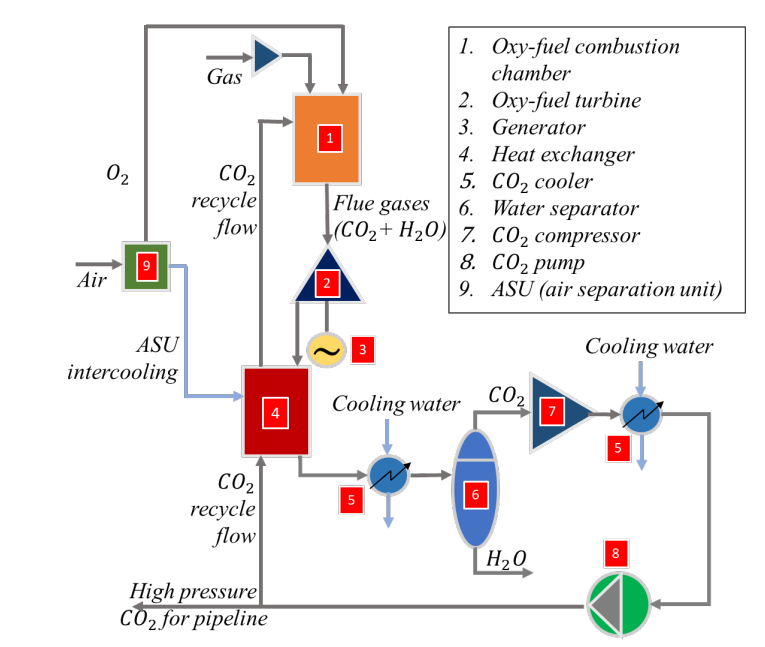
    This article presents a comprehensive research and development effort focused on the design of a vortex burner device intended to enable stable oxy fuel combustion of natural gas in a supercritical carbon dioxide (sCO2) environment, as used in the Allam cycle for zero emission power generation. The prototype burner, featuring a conical bluff body, was systematically analyzed using advanced numerical simulations incorporating detailed chemical kinetics. Optimization studies identified the most suitable combustion parameters, namely an oxidizer excess coefficient α = 1.05. This parameter choice is justified by the fact that it yields acceptable emissions of carbon monoxide (CO) and unburned hydrocarbons (UHC) while maintaining a reasonable level of auxiliary power consumption by the air separation unit (ASU). In the numerical investigation employing the prototype configuration, the maximum stable mass fraction of CO2 in the oxidizer diluent mixture (γ) was found to be 0.82, beyond which flame detachment occurred. Through iterative design enhancements—specifically, replacing the conical bluff body with a hemispherical perforated bluff body and incorporating a diffuser-shaped outlet section—the burner configuration was substantially improved. These modifications enhanced flame stability and enabled a significant increase in γ to 0.867. As a result, the peak process temperature was reduced by more than 400 K, while CO emissions decreased by over a factor of 17 compared to the prototype, with unburned hydrocarbon levels remaining low.

  • Open Access

    Article ID: 782

    Experimental tests of an oxy-fuel natural gas burner with CO2 dilution at atmospheric pressure as model conditions for full-scale supercritical combustion

    by Sergey Osipov, Pavel Bryzgunov, Vadim Yakovlev, Ilya Feoktistov, Nikolay Rogalev
    Clean Energy Science and Technology, Vol.4, No.2, 2026;
    56 Views

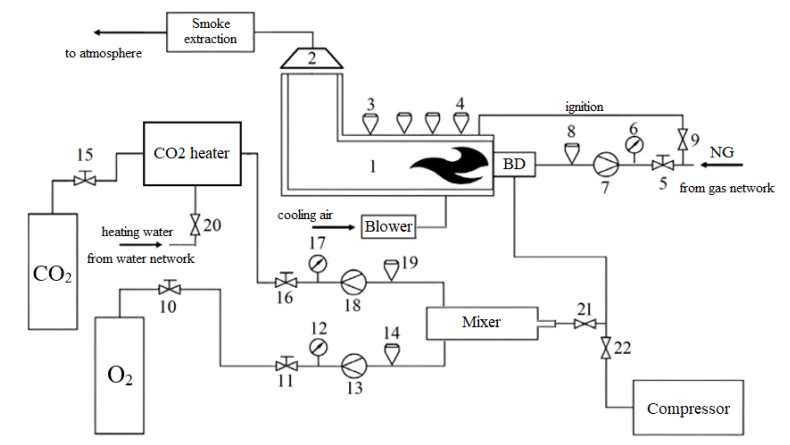
    Direct-fired supercritical CO2 cycles are one of the promising approaches to eliminate CO2 emissions in the power energy sector, while maintaining high efficiency and the ability to burn fossil fuels. One of the key elements of such cycles is the combustor, in which natural gas is burned in an O2/CO2 environment at supercritical pressure. Oxy-fuel CO2-diluted combustion differs significantly from traditional air-fuel combustion, which creates the need to adapt existing numerical modeling techniques. Experimental data are required to verify numerical methods, but present experimental studies are fragmented and non-formalized. This paper presents the results of an experimental test of the 15 kW oxy-fuel burner device in a tunnel gas furnace at atmospheric pressure. Experimental tests were carried out with oxygen-fuel ratios (α) of 1, 1.45, and 1.75 in the range of CO2 mass fractions in the oxidizer (γ) from 0 to 0.9. An experimental temperature profile is obtained, the adiabatic combustion temperature is calculated, and the boundaries of stable combustion are determined. Based on the experimental results, the main similarity criteria of combustion were calculated, and it was shown that by changing the composition of the model mixture, it is possible to reduce the discrepancy of the similarity criteria between the model and full-scale oxy-fuel combustors.

  • Open Access

    Article ID: 523

    Enhanced open-circuit fault tolerance in single-phase matrix converter-based boost rectifiers through automated switch selection

    by Fatimah Rusbiahty Ahmad, Khairul Safuan Muhammad, Rahimi Baharom
    Clean Energy Science and Technology, Vol.4, No.2, 2026;
    51 Views

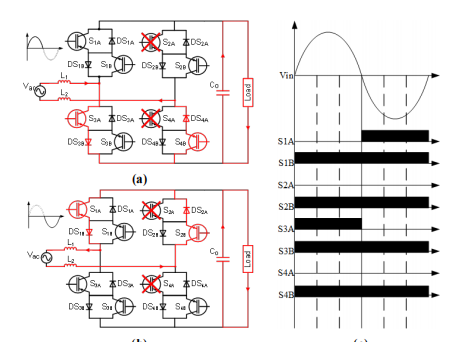
    This study presents an automated switch-selection strategy that enhances the open-circuit fault (OCF) resilience of boost rectifiers based on the Single-Phase Matrix Converter (SPMC) topology. Although OCFs are frequently addressed in the literature, the combined challenge of rapid fault localization, uninterrupted rectification, and accurate current-path reconfiguration in SPMC-based boost stages remains insufficiently resolved. To address this gap, a refined diagnostic framework is developed that integrates output-voltage deviation, inductor-current behaviour, and input-cycle polarity to generate a unique six-bit binary signature for precise identification of faulty semiconductor devices. Following diagnosis, the controller autonomously activates one of four optimized Current Option Routes (CORs) that re-establish a healthy conduction path using only the remaining functional switches. The proposed approach is validated through detailed MATLAB/Simulink modelling. Results show that faults are detected within approximately 10 ms and stable output regulation is restored within nearly 30 ms. Under multiple OCF scenarios, the rectifier maintains continuous power delivery with an output deviation below 5%, while improving voltage-regulation robustness by approximately 8 to 12% compared with the non-tolerant baseline. Quantitative comparisons of inductor-current symmetry, Direct Current (DC)-link voltage ripple, and Pulse Width Modulation (PWM) recovery dynamics further confirm that the proposed mechanism significantly enhances converter reliability. Although this study focuses on simulation-based validation, the architecture is designed for straightforward hardware implementation, enabling future extension toward Field-Programmable Gate Array (FPGA)-based real-time controllers, Artificial Intelligence (AI)-assisted fault prediction, and integration into renewable-energy and electric-vehicle front-end rectifiers. Overall, the findings demonstrate a meaningful improvement to the operational continuity of clean-energy power converters by providing a fast, accurate, and automated OCF-tolerant mechanism.

  • Open Access

    Article ID: 593

    Economic evaluation of solar energy projects in Vietnam using multi-criteria analysis

    by Nguyen Minh Phuong, Ponomarenko Tatiana, Spivakov Konstantin
    Clean Energy Science and Technology, Vol.4, No.2, 2026;
    132 Views

    In recent years, the importance of solar energy has increased worldwide due to its environmental friendliness and efficiency. Vietnam, as a country with great potential for the development of solar energy, has been actively investing in this industry. However, in order to make informed decisions on the allocation of investments, a comprehensive economic assessment of large solar power plants (SPPs) facilities is required. The article presents an analysis and assessment of the development efficiency of some large SPPs in Vietnam. The study aims to assess the competitiveness of solar energy to attract investment from power companies. The research method is through the assessment of the economic indicators LCOE (Levelized Cost of Energy), CAPEX (Capital Expenditure), CAPEX per megawatt (Capital Expenditure per Megawatt), NPV (Net Present Value), PI (Profitability Index) and multi-criteria assessment MCDA (Multi-Criteria Decision Analysis) method of large SPPs in Vietnam. The study found that the projects with the highest rate of return (according to the PI index) and the projects with the highest scores according to the multi-criteria best choice analysis (using the MCDA method) are different, which allows investors to draw lessons for investment selection and the government to make decisions. The solar power plants with the highest PI coefficients are Phu My solar power plant (1.19) and Hoa Hoi solar power plant (1.17), however, according to the MCDA method, the power plants that bring the greatest benefit are Trung Nam Thuan Nam solar power plant (4.78) and Dau Tieng 1,2,3 solar power plant (4.56), although their PI indices are quite modest.

  • Open Access

    Article ID: 537

    Matrix reforming of hydrocarbons: New possibilities for low-tonnage gas processing and energy

    by Vladimir Arutyunov, Valery Savchenko, Aleksey Nikitin, Igor Sedov
    Clean Energy Science and Technology, Vol.4, No.2, 2026;
    58 Views

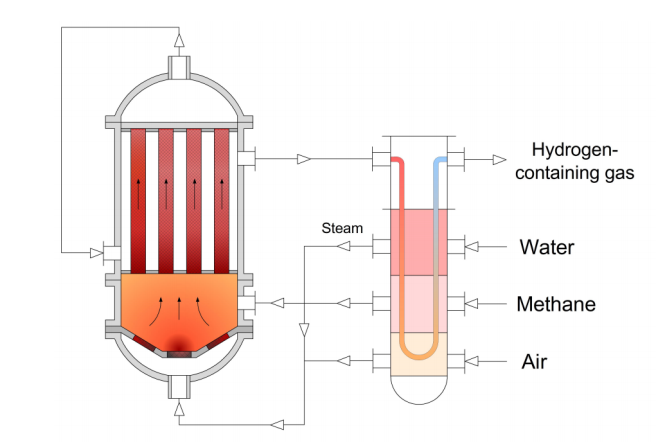
    The huge unconventional resources of natural gas in the earth's crust make it, in the future, not only the main feedstock for global energy, but also the cheapest and most abundant raw material for the production of many basic petrochemical products. However, technological complexity and high energy consumption for modern multistage processes of converting methane into thermodynamically less stable products remain the main problem constraining the development of gas chemistry. Currently, less complex and more flexible non-catalytic conversion processes of hydrocarbon gases are of great interest. A promising solution may be a principally new technology of autothermal matrix reforming of natural gas into syngas or hydrogen. Matrix reforming is a type of non-catalytic partial oxidation of natural gas with internal recuperation of the heat of conversion products, which is implemented in the surface combustion mode. It is an autothermal process that does not require additional heat supply. The absence of a catalyst not only simplifies the process but also dramatically reduces the requirements for gas preparation and purification, making the process insensitive to many impurities that are catalytic poisons and allowing the direct use of hydrocarbon gases of almost any composition as feedstock, including associated and refinery gases, as well as low-boiling liquid hydrocarbons up to the kerosene fraction. The paper presents the basic principles of matrix reforming and its kinetics, its advantages, the results achieved so far, and the most promising areas of its application.

  • Open Access

    Article ID: 622

    Air pollution hotspots in the European Union: A city-level risk assessment

    by András Szeberényi, Ágnes Fűrész, Mátyás Imre Kovács
    Clean Energy Science and Technology, Vol.4, No.2, 2026;
    132 Views

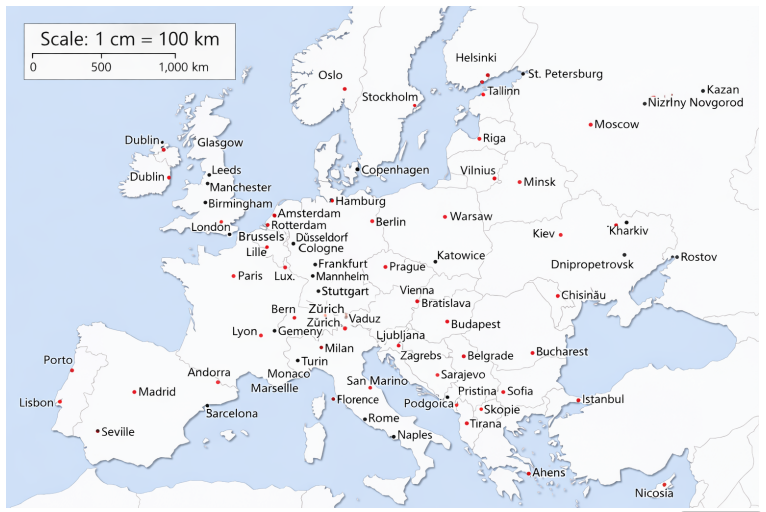
    Urban air pollution remains a major challenge for public health and environmental sustainability across the European Union. While much of the existing literature relies on national-level indicators, city-level analyses are essential for identifying persistent urban hotspots and spatial inequalities in exposure. This study examines annual PM2.5 concentrations in European capitals between 2021 and 2024 using data from the IQAir database, which provides harmonized, high-resolution information on fine particulate matter. Geospatial analysis and GeoAI-inspired exploratory approaches were employed to support the identification of intra- and inter-urban pollution patterns. The results reveal a structural break in 2022, when the energy crisis coincided with a temporary increase in PM2.5 concentrations, interrupting an otherwise improving trend. Systematic differences were observed between Western–Northern capitals, which exhibited lower concentrations and more favorable trends, and Eastern–Southern capitals, where exceedances persisted throughout the study period. A focused comparison of Budapest with Vienna, Warsaw, and Prague highlights the intermediate position of the Hungarian capital within Central Europe. Overall, the findings demonstrate the sensitivity of urban air quality to external shocks and the persistence of spatial disparities, while illustrating the potential of open-access air quality data to support evidence-based urban environmental policy and sustainable planning. The selected 2021–2024 period captures the post-COVID normalization phase and the 2022 energy crisis, enabling the analysis of short-term structural disruptions rather than long-term emission trajectories.

  • Open Access

    Article ID: 753

    GA-optimized FOPID control for LVRT enhancement in PV–EV integrated power systems

    by Ibrahim A. Altarjami
    Clean Energy Science and Technology, Vol.4, No.2, 2026;
    132 Views

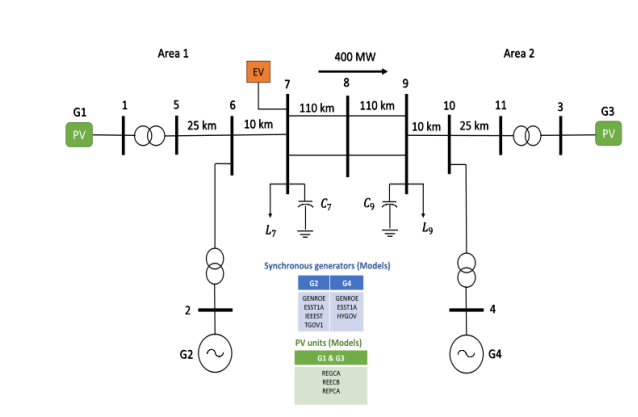
    Rapid growth in electric vehicle (EV) deployment, combined with high photovoltaic (PV) penetration, is reshaping the dynamic behavior of transmission networks. As PV inverters displace synchronous machines, the resulting loss of rotational inertia heightens vulnerability to fault-induced voltage sags and oscillatory instability. Co-located EV charging loads further stress weakened voltage profiles, increasing the risk of failing low-voltage ride-through (LVRT) requirements. This paper proposes a genetic algorithm (GA)-optimized fractional-order PID (FOPID) controller with five tunable parameters (Kp, Ki, Kd, λ, μ) to regulate the voltage/reactive-power output of an EV aggregator at a critical load bus. A conventional three-gain PID controller optimized by the same GA under identical cost function and constraints serves as the benchmark. Both controllers are evaluated on the Kundur two-area system in PSS®E, where Buses 1 and 3 host PV plants supplying 50% of generation while Buses 2 and 4 retain synchronous excitation. The EV aggregator at Bus 7 is modeled using WECC second-generation generic converter modules with a negative-generation sign convention, and the FOPID action is discretized via Grünwald–Letnikov recursion. Under a solid three-phase fault on the Bus 7–8 tie-line cleared after 100 ms, the GA-FOPID controller recovers Bus 7 voltage to the 0.9–1.1 pu band within 250 ms and maintains 95% in-band operation over the 4 s post-fault window. The GA-PID controller fails to stabilize the system, causing interconnection separation, while the uncontrolled case collapses entirely. Inter-area rotor-angle traces confirm GA-FOPID confines the first post-fault swing and damps subsequent oscillations, whereas neither alternative maintains synchronism, demonstrating that fractional-order parameters measurably improve LVRT compliance and transient damping in PV–EV co-located systems.

  • Open Access

    Article ID: 688

    Achieving round-the-clock power from solar chimneys with solar boosting

    by Reemal Prasad, Muzammil Ali, Mohammed Rafiuddin Ahmed
    Clean Energy Science and Technology, Vol.4, No.2, 2026;
    61 Views

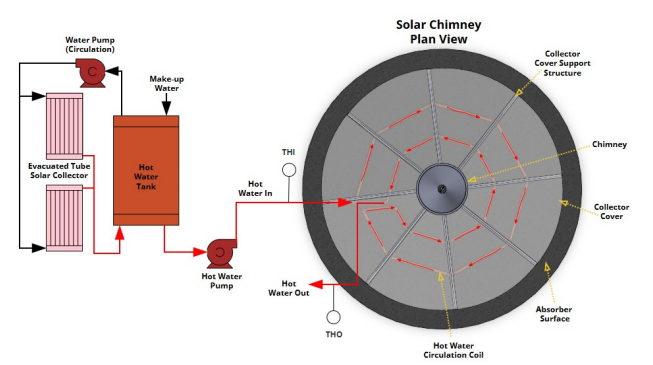
    This experimental work involves employing a solar water heating system to elevate the collector air temperatures of an 8 m tall solar chimney power plant (SCPP). Hot water at varying temperatures (40 °C to 70 °C) and mass flow rates (0.025 to 0.0512 kg/s) was supplied to the collector and the effects of supplying hot water to the collector on the resulting air temperature distribution within the collector and along the chimney height as well as the flow velocity at the turbine section and the corresponding turbine power output were studied. Results demonstrate a 14.6% increase in collector temperature rise during daytime and a notable 209% enhancement at night with 70 °C hot water, sustaining a temperature difference above 5 °C from midnight to 6:00 a.m., compared to 2 °C under ambient conditions. Temperature drops along the chimney peaked at 16.2 °C from 70 °C at 2:00 p.m., against 7.2 °C at 1:00 p.m. without solar boosting. Air velocity at the turbine section rose from 8.3 m/s under ambient conditions to 9 m/s at 70 °C, with a maximum enhancement of 378.5% at 4:00 a.m., attributed to heightened buoyancy at low ambient temperatures. Turbine power output was found to improve from 3.5 W normally to 4.5 W at 70 °C. Increasing the mass flow rate from 0.025 to 0.0512 kg/s increased the air velocity and power. These findings highlight the significant potential of solar boosting to enhance SCPP efficiency, offering a viable pathway for transition to renewable energy in small island nations and providing power around the clock.

  • Open Access

    Article ID: 581

    An integrated framework for AI-driven green road development in Thailand’s tourism corridors: A mixed-methods approach to energy reduction and sustainability

    by Disayapat Pakdeearporn, Danupon Sangnak
    Clean Energy Science and Technology, Vol.4, No.2, 2026;
    257 Views

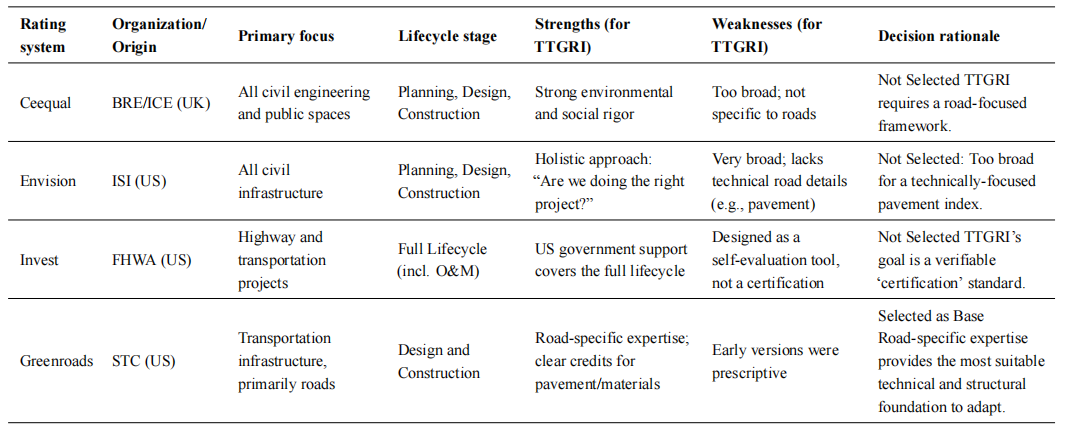
    Thailand’s position as a global tourism leader is intrinsically linked to its transportation infrastructure, which simultaneously fuels economic growth and contributes significantly to the nation’s carbon footprint. Despite ambitious national climate targets, a considerable policy-implementation gap persists, particularly in addressing the lifecycle environmental impacts of road infrastructure itself. This paper proposes a novel, integrated framework to bridge this gap by facilitating the systematic development of “Green Tourism Roads”. The framework is composed of three core components: (1) a quantitative assessment tool, the Thai Tourism Green Road Index (TTGRI), adapted from international best practices to align with Thailand’s specific policy goals; (2) a qualitative validation methodology based on structured stakeholder engagement to ensure practical relevance; and (3) a conceptual architecture for an AI-powered Decision Support System (DSS) that uses genetic algorithms and machine learning to optimize road design for both sustainability and lifecycle cost. A mixed-methods approach is designed to operationalize this framework. To demonstrate its utility, a simulated case study applied to the Mae Hong Son Loop indicates that an AI-optimized Green Road scenario can achieve a “Gold” certification level on the TTGRI, reduce lifecycle Global Warming Potential by over 30%, and lower the 50-year lifecycle cost compared to a business-as-usual approach, despite a modest increase in initial investment. The principal policy recommendations include the formal adoption of a national green road standard based on the TTGRI, the initiation of pilot projects, and investment in institutional capacity building. This research provides a comprehensive, data-driven pathway for Thailand to transform its infrastructure investments into a strategic asset to achieve climate resilience and enhance its sustainable tourism competitiveness.

  • Open Access

    Article ID: 634

    Hybrid Artificial Intelligence-based Computational Fluid Dynamics model for optimizing Offshore Wind Farm aerodynamics under variable marine climate conditions

    by Hayder M. Ali, Rachel Nallathamby, Saravanan Ramaiah, Radhika Rani Chintala, Aseel Smerat, Temur Eshchanov, Bekzod Madaminov, Sudhakar Sengan
    Clean Energy Science and Technology, Vol.4, No.2, 2026;
    150 Views

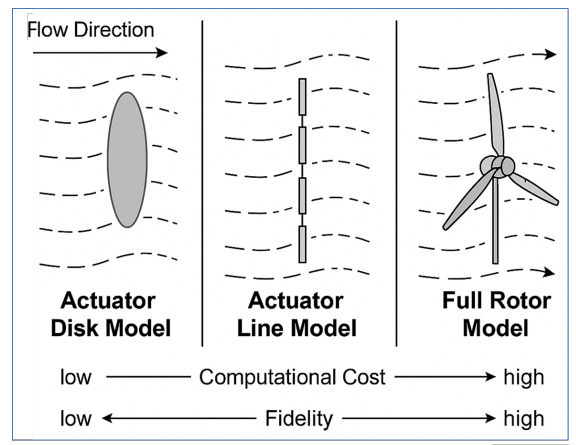
    Aerodynamic optimization of Offshore Wind Farms (OWF) is challenged by nonlinear wake interactions, turbulence transport, and stochastic Marine Climate Conditions (MCC). High-fidelity Computational Fluid Dynamics (CFD) models capture these dynamics accurately but impose prohibitive computational costs for large-scale optimization. Analytical wake models offer computational efficiency but oversimplify complex turbulence interactions. This study presents a hybrid Artificial Intelligence (AI)-CFD that integrates Deep Neural Network (DNN) surrogates with selective CFD validation to enable efficient, robust optimization under MCC. The model employs unsteady Reynolds-averaged Navier-Stokes simulations with actuator-line turbine representation to generate training data, which are used to train an ensemble surrogate model incorporating dimensionally reduced climate states. Uncertainty-driven adaptive sampling triggers CFD validation for high-uncertainty configurations, maintaining physical fidelity while accelerating optimization. A multi-objective evolutionary algorithm (NSGA-II) optimizes turbine layout, yaw angles, and pitch controls to balance power generation, wake losses, and structural loading. Validation on an 80-turbine, 320 MW wind farm in Dhanushkodi, Tamil Nadu, sea proves 7.8% power improvement, 23.5% wake-loss reduction, and 11.2% network load decrease compared to the baseline, with 7.2× computational speedup vs. CFD-only optimization. Sensitivity analyses confirm robustness across wind speeds (6–12 m·s1), turbulence intensities (5–15%), and inflow directions (0–30°). The model establishes a scalable methodology for optimizing OWF under realistic MCC.

  • Open Access

    Article ID: 630

    Article Heat recovery and heating system for liquid-cooled data center: Energy, economic, and environmental analysis

    by Wuming Cai, Hao Li, Chong Zhai, Dong Li
    Clean Energy Science and Technology, Vol.4, No.2, 2026;
    99 Views

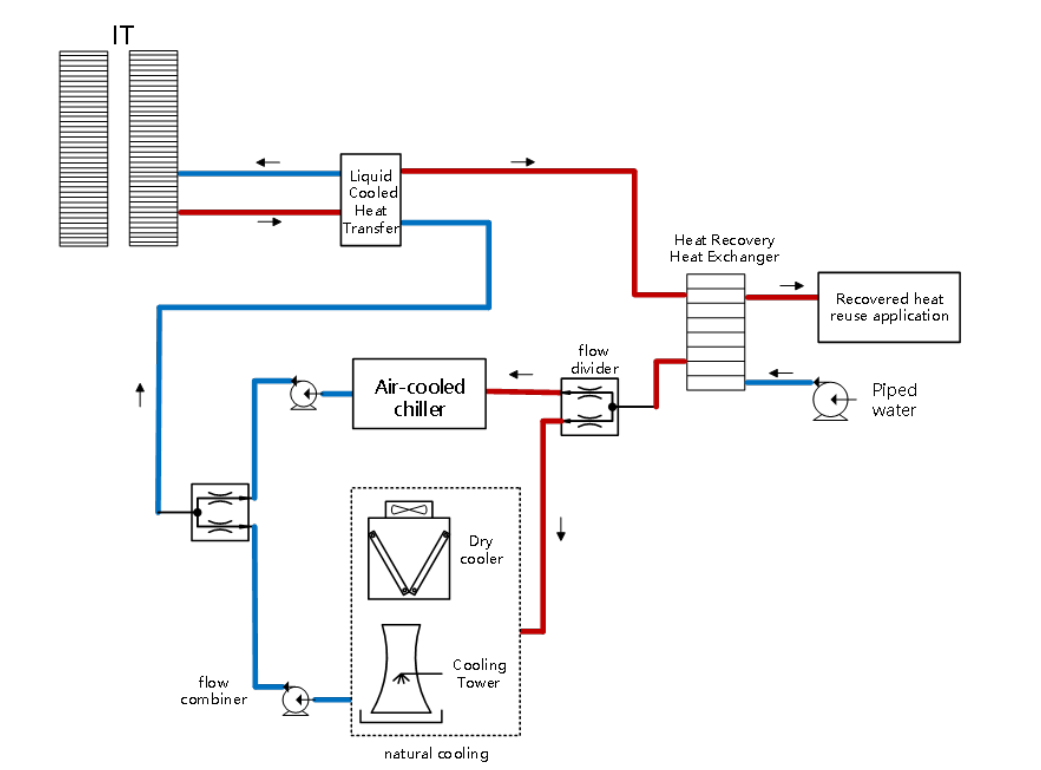
    With the rapid growth of data centers driven by information technology development, a significant amount of waste heat generated by cooling systems is currently not effectively utilized and is often discarded. Recovering this waste heat is therefore of great importance for improving overall energy efficiency and promoting low-carbon operation. In this study, we simulate a cold plate liquid cooling system integrated with a waste heat recovery unit that utilizes different natural cooling sources, taking into account real-time fluctuations in thermal load demand. The results show that, compared with conventional liquid-cooling systems without heat recovery, the proposed configurations reduce cooling system power consumption by approximately 20–30% across all operating conditions. The minimum partial Power Usage Effectiveness (pPUE) reaches 1.13, indicating a highly efficient cooling subsystem. Moreover, up to 23% of the energy consumed in the data center can be effectively reused when temperature constraints of the heat user are considered. From an economic perspective, selling the recovered heat for domestic hot water production can reduce the annual operating cost of the liquid-cooling system by approximately ¥200,000, resulting in a short payback period. From an environmental perspective, the waste heat recovery system significantly supports low-carbon heating, reducing carbon emissions by about 110 tCO2 per year compared with conventional gas boilers and air-source heat pumps. Overall, this study demonstrates that liquid-cooled data centers can serve as reliable and economically attractive heat sources under realistic dynamic operating conditions, providing practical guidance for large-scale waste heat recovery deployment.

  • Open Access

    Article ID: 594

    Thermal Decomposition Behavior and Kinetic Analysis of Lithium-Ion Battery Electrolyte under Different Atmospheric Conditions

    by Rongkun Pan, Jiayi Yu, Jiangkun Chao, Daimin Hu
    Clean Energy Science and Technology, Vol.4, No.2, 2026;
    141 Views

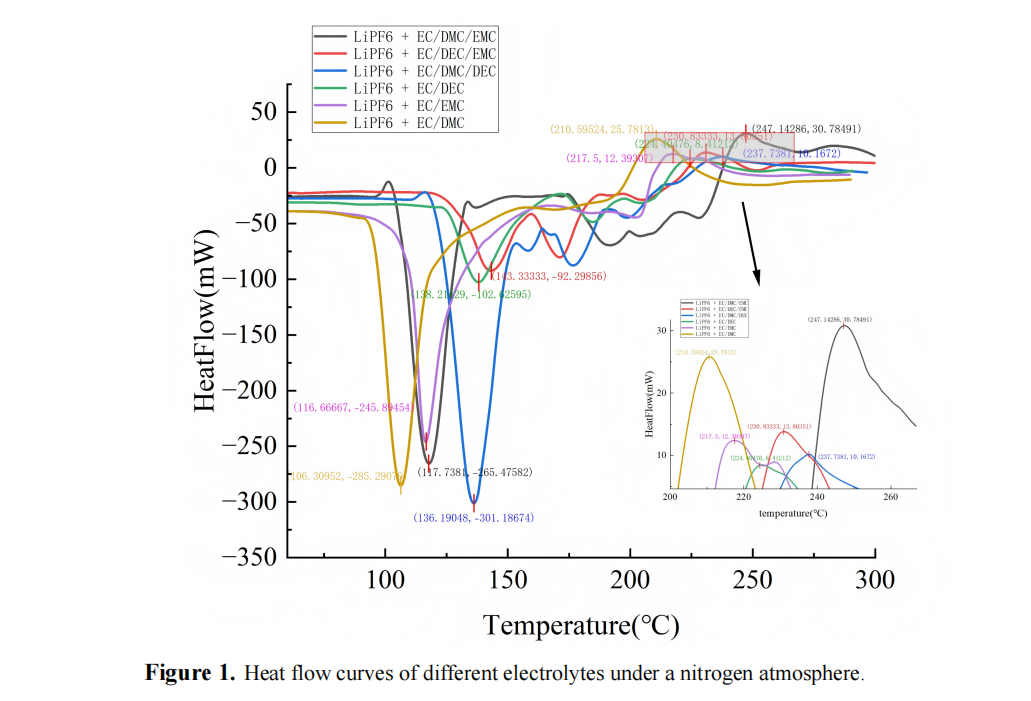
    To gain a deeper understanding of the thermal reaction behavior and thermal safety characteristics of lithium-ion battery electrolytes under different atmospheric conditions, this study systematically investigates the thermal decomposition process of 1 mol·L⁻¹ LiPF6 dissolved in three typical solvent systems—EC/EMC, EC/EMC/DMC, and EC/EMC/DEC—using a high-precision microcalorimeter (C600). The analysis is performed under two typical atmospheric conditions: closed adiabatic and nitrogen flow. The heat flow and differential heat flow curves are quantitatively analyzed, and the exothermic onset temperature, thermal intensity, and reaction complexity are compared by integrating the cumulative heat release enthalpy. Furthermore, the Coats–Redfern model is used to extract kinetic parameters, perform global and α-segment fitting, and analyze the trend of reaction path changes. The results show that nitrogen flow significantly inhibits chain-side reactions and improves thermal stability, while under closed conditions, overlapping exothermic peaks and multi-stage releases are more likely to occur. Kinetic analysis reveals that the EC/EMC system exhibits a sharp increase in activation energy during the high conversion stage, suggesting a higher potential for thermal runaway, whereas the EC/EMC/DMC system has a single reaction mechanism and higher activation energy, indicating better thermal safety.

  • Open Access

    Article ID: 667

    Direct use of geothermal energy as a source of sustainable competitive advantage for MSMEs

    by Djoko Nurprawito, Rahmat Nurcahyo, Dana Santoso Saroso, Fadhlan Kautsar Faturrahman
    Clean Energy Science and Technology, Vol.4, No.2, 2026;
    167 Views

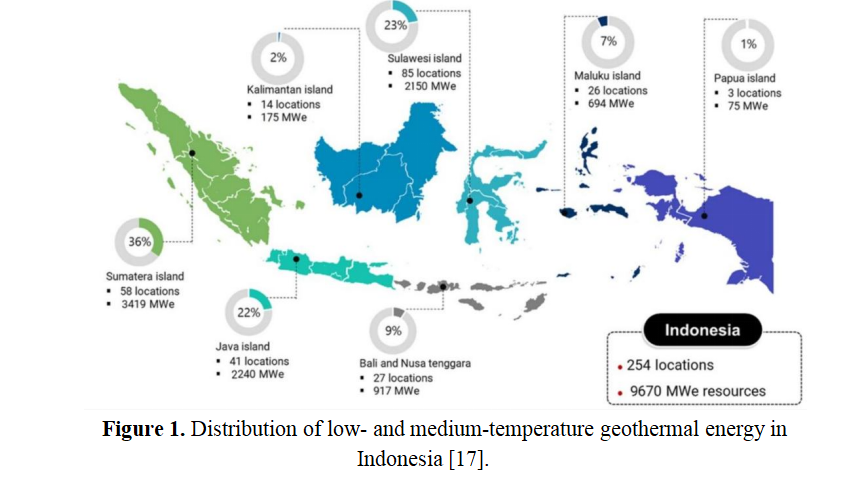
     Geothermal energy is a renewable resource that can drive green industrial growth and holds significant potential to enhance the competitiveness of Micro, Small, and Medium Enterprises (MSMEs) in Indonesia. This study aims to determine which MSME sectors can potentially utilize geothermal energy directly to strengthen their long-term competitiveness. Using the Value, Rarity, Imitability, and Organization (VRIO) framework within the Resource-Based View (RBV), this research adopts a qualitative case study approach in Garut Regency. Data were obtained through 1) field observations of factories (leather tanning, dodol, vetiver oil, and batik), and 2) semi-structured interviews and expert assessment involving 17 participants representing MSME owners, government agencies, academics, and a geothermal energy company. The findings indicate that MSMEs in the leather tanning, dodol production, and vetiver oil sectors demonstrate relatively higher potential for competitive advantage and innovation capability compared to those in the batik sector. These advantages stem from valuable and unique local resources and more established organizational supports. However, limitations of support from the government and association, and the risk of product imitation by other regions, remain key challenges. Overall, the study provides empirical insights into the perceived link between geothermal utilization and MSME competitiveness, offering strategic implications for policymakers to strengthen organizational capacity and promote sustainable energy adoption.

  • Open Access

    Article ID: 637

    Enhanced thermal conductivity and phase change performance of paraffin-based materials using nanostructured additives for thermal energy storage applications

    by Hayder M. Ali, Sudhakar Sengan, Anusha Papasani, Aseel Smerat, Muzaffar Shojonov, Bekzod Madaminov, Veena Sundareswaran
    Clean Energy Science and Technology, Vol.4, No.2, 2026;
    195 Views

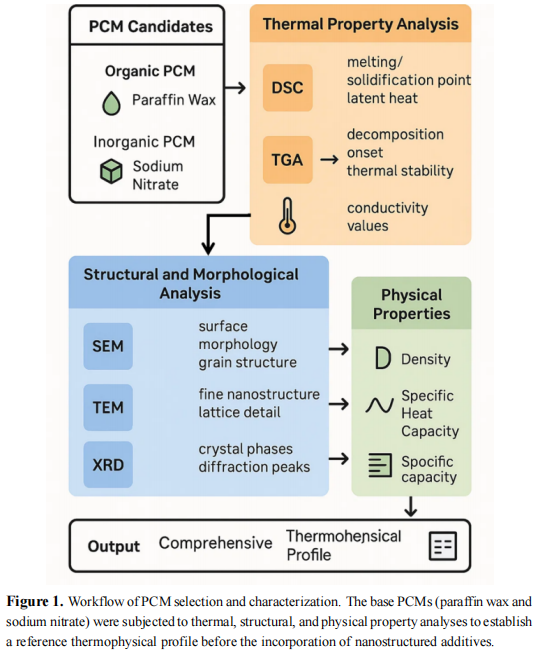
    Phase-change materials (PCMs) provide high-density Solar Thermal Energy Storage (STES) for solar applications but suffer from low thermal conductivity, excessive subcooling, and cycling degradation. This study systematically compares five nanostructure classes—graphene nanoplatelets (GNP), multi-walled carbon nanotubes (MWCNT), metallic nanoparticles (Cu, Ag), and metal oxides (Al₂O₃, TiO₂)—incorporated into paraffin and sodium nitrate PCMs to address these limitations. Nanostructures were characterized using XRD, FTIR, BET, SEM, and TEM to establish morphology-performance relationships. BET surface area (320.5 m2/g for GNPs, 265.4 m2/g for MWCNTs) correlated strongly with thermal conductivity enhancement (R2 = 0.87, p < 0.001), confirming that high-aspect-ratio structures enable percolation network formation. At 3 wt% loading—identified as the optimal concentration through percolation analysis—carbon-based composites achieved 150% (GNPs) and 131% (MWCNTs) conductivity gains at 25 ℃. DSC analysis revealed 60% subcooling suppression with GNPs, reducing crystallization lag from 5.5 ℃ to 2.2 ℃ through heterogeneous nucleation. Charging-discharging experiments verified 30–34% reductions in thermal response time, with temperature uniformity improving by 67%. Statistical analysis using one-way ANOVA with Tukey's HSD test (p < 0.05) confirmed significant performance hierarchies: carbon-based > metallic > metal oxides across all metrics. Extended cycling tests (1000 melt-freeze cycles) validated superior durability, with carbon-enhanced paraffin and oxide-enhanced sodium nitrate retaining >93% of their latent heat capacity, compared with <83% for pristine PCMs. Post-cycling analysis confirmed the maintenance of nanoparticle dispersion and chemical stability. Comparison with recent literature validates that this work advances the field by systematic multi-additive evaluation, extended durability validation (2–3 times longer than typical studies), and dual-PCM coverage spanning 50–350 ℃. The quantified conductivity-loading relationships, percolation thresholds, and 1000-cycle performance data provide engineering guidelines for STES across residential to industrial temperature ranges.

  • Open Access

    Article ID: 604

    Comparison of oxy-fuel combustion kinetic mechanisms of methane by laminar burning velocity under normal conditions

    by Andrey Rogalev, Sergey Osipov, Vadim Yakovlev, Maxim Kozhemiakin, Dmitry Pisarev
    Clean Energy Science and Technology, Vol.4, No.2, 2026;
    203 Views

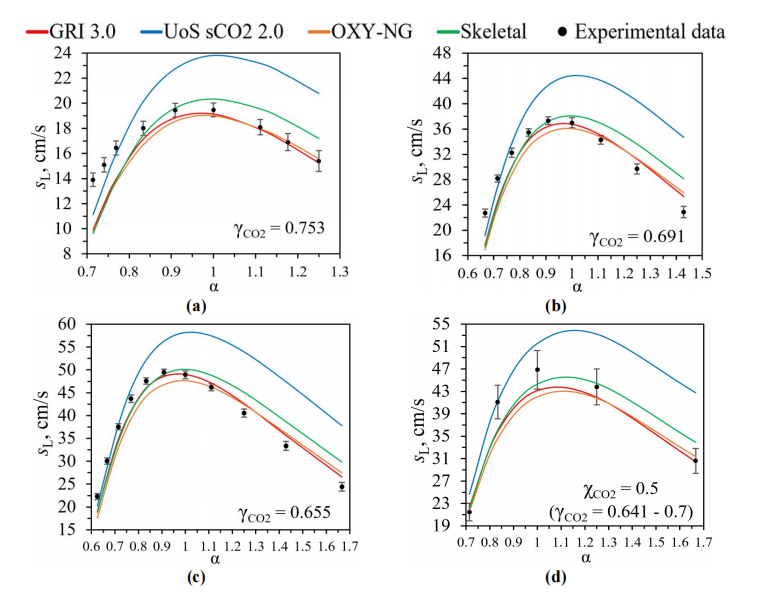
    Power energy sector is the largest anthropogenic source of greenhouse gas emissions, including CO2. Oxy-fuel energy complexes (OFCs) are one of the most effective ways to reduce CO2 emissions. In OFC’s combustion chamber gaseous fuel is burned in a mixture of O2 and CO2 at supercritical pressures up to 300 atm. However, in open sources there are currently no recommendations for designing such combustion chambers, including no recommendations on the choice of a kinetic mechanism for numerical simulation of combustion. In this paper, the kinetic combustion mechanisms GRI 3.0, UoS sCO2 2.0, OXY-NG, and Skeletal were compared using Chemkin 18.2 for oxy-fuel combustion of methane by laminar burning velocity under normal conditions. It is shown that OXY-NG can accurately simulate the laminar burning velocity during oxy-fuel combustion of methane under normal conditions in a wide range of mixture compositions by (α) 0.8–1.4 and (γCO2) 0.65–0.78. For this reason, OXY-NG mechanism is recommended for spatial numerical simulation of oxy-fuel combustion.

  • Open Access

    Article ID: 560

    Design and Experimental Evaluation of Electromagnetic Energy-Harvesting Speed Humps for Sustainable Urban Transportation

    by Wasan Theansuwan, Surachai Hemhirun
    Clean Energy Science and Technology, Vol.4, No.2, 2026;
    408 Views

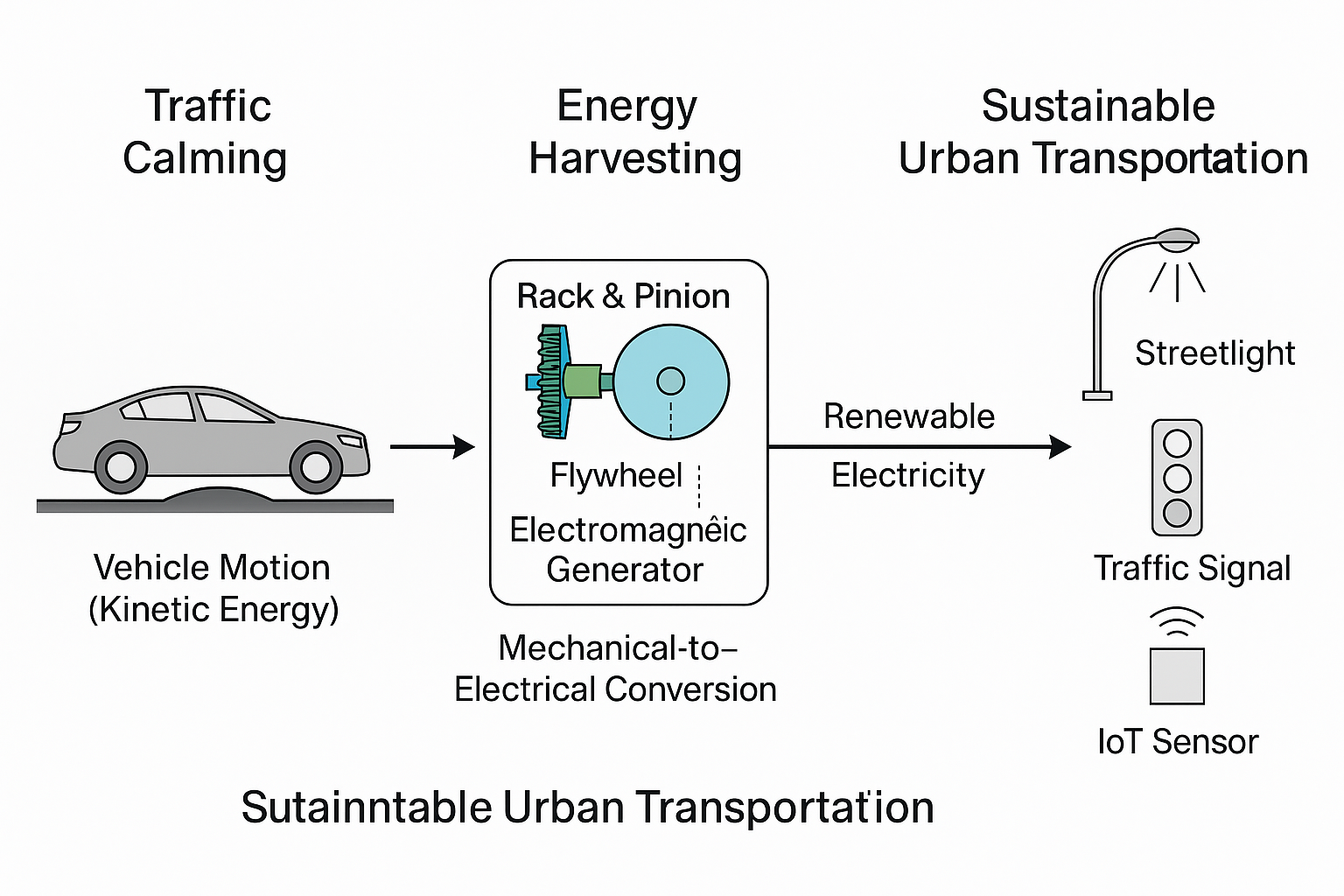
    This study presents the design and experimental evaluation of an electromagnetic energy-harvesting speed hump (EHSH), developed to capture vehicular kinetic energy and convert it into usable electrical power. The system incorporates a rack-and-pinion mechanism coupled with a flywheel and permanent-magnet generator to ensure efficient torque transfer and energy storage. Experimental trials were performed with vehicles weighing 1100 kg, 1500 kg, and 2300 kg, operated at speeds ranging from 3 to 12 km/h. The resulting power outputs were recorded in terms of rotational speed, voltage, current, and harvested power, with comparative analysis between front- and rear-axle loading conditions. The results show that higher vehicle weights and speeds significantly increase energy output, with rear wheels generating slightly higher values than front wheels. Recent literature highlights that EHSH systems can achieve average outputs between 9–20 W in field applications and up to 85% conversion efficiency with optimized permanent-magnet linear generators. The findings of this work confirm the potential of EHSHs as sustainable urban infrastructure solutions, while also identifying challenges of fluctuating performance under diverse traffic conditions. This research contributes to ongoing efforts toward integrating renewable energy systems into road safety devices and smart city applications.

  • Open Access

    Article ID: 533

    Energy demand forecasting using deep models and autoencoder- transformer

    by Zohreh Dorrani
    Clean Energy Science and Technology, Vol.4, No.2, 2026;
    282 Views

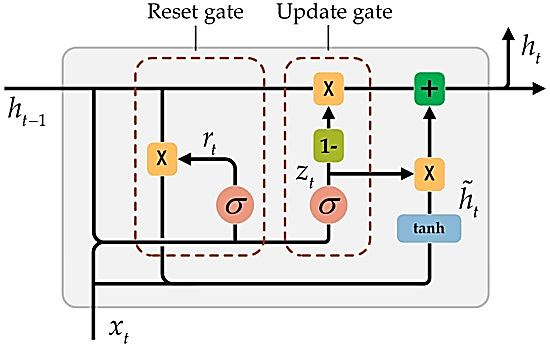
    This study evaluates five prominent deep learning models—CNN-LSTM, Bidirectional LSTM, GRU, Transformer, and the proposed Deep Autoencoder-Transformer for the task of energy demand forecasting. Accurate prediction of energy demand is essential for optimizing consumption and maintaining power grid stability amidst increasing complexity and multivariate data characteristics. While previous research has predominantly assessed more traditional models such as LSTM and GRU, this research fills an important gap by thoroughly comparing these with the Transformer and a novel hybrid autoencoder-Transformer model. The models were systematically trained on multivariate inputs after comprehensive preprocessing and evaluated using statistical metrics including MAE, RMSE, MAPE, and coefficient of determination (R2). The findings demonstrate that the Deep Autoencoder-Transformer model outperforms all other architectures, achieving the lowest error rates (MAE = 8.5, RMSE = 10.75, MAPE = 3.46%) and highest explanatory power (R2 = 0.991). The Transformer also achieves strong performance (MAE = 10.14, R2 = 0.988), reflecting its ability to model long-term dependencies effectively. GRU and Bidirectional LSTM models follow, balancing accuracy and computational efficiency, while CNN-LSTM, despite its combined spatial and temporal feature extraction abilities, shows comparatively lower precision likely due to architectural limitations with long-range temporal modeling. This study highlights the superior capability of attention-based Transformer architectures, especially when combined with deep autoencoding, to capture complex temporal patterns in multivariate energy data. It offers a scalable and systematic framework for benchmarking deep learning models applicable to energy demand forecasting. These insights are valuable to energy system operators and policymakers for selecting appropriate machine learning models, with the hybrid Deep Autoencoder-Transformer emerging as a promising solution for more accurate, long-horizon, multi-step forecasting in intelligent energy systems.

  • Open Access

    Article ID: 555

    Sustainability of coffee farms: Case study of the cooperativa agraria Cafetalera La Prosperidad de Chirinos

    by Franklin Hitler Fernandez-Zarate, Malluri Goñas, Jhon Oblitas, Jorge Fernandez, Darwin Gomez-Fernandez, Nilter García-Chimbo, Michael Montalvan, Lenin Quiñones-Huatangari, Rubén Eusebio Acosta-Jacinto, Milton Ríos-Julcapoma, Guillermo Guardia, Alberto Sanz-Cobeña, Annick Estefany Huaccha-Castillo, Manuel Emilio Milla-Pino
    Clean Energy Science and Technology, Vol.4, No.2, 2026;
    404 Views

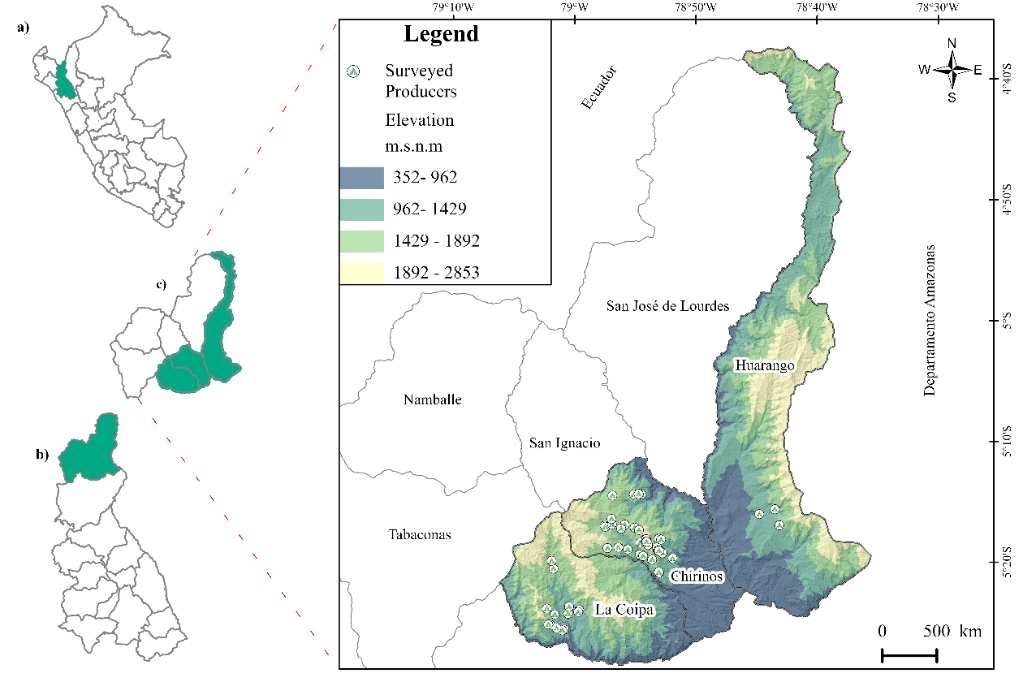
    Ignorance of the sustainability of coffee systems compromises the continuity of productive activities by weakening their economic viability, environmental integrity and social cohesion over time, which is why it is essential to carry out diagnoses. This study aimed to assess the sustainability level of coffee farms associated with the Cooperativa Agraria Cafetalera La Prosperidad de Chirinos. From January to March 2024, data were collected from 60 farms out of a population of 788. The analysis was based on nine criteria: six environmental (soil quality, crop health, solid waste and effluent management, integrated pest and disease management, ecological knowledge, and agricultural system), two economic (agricultural economy and food sovereignty), and one social (social aspects). To identify groups of farmers with homogeneous characteristics, a cluster analysis was performed and the level of sustainability of each group was determined by calculating overall averages, represented through Amoeba charts. Results identified two farm types farms in group 1 showed less sustainability than group 2, mainly due to unfavorable conditions related to soil quality. Consequently, it is recommended to to implement cover crops, live barriers, infiltration ditches, contour planting, and productive diversification for food security are recommended. This study provides a scientific diagnosis of sustainability levels on coffee farms and offers practical options for improving sustainability.

Review

  • Open Access

    Article ID: 521

    Advances in ballistic and impact-resistant composite fabrics: A review

    by Mestawet Girma Bekele, Daniel Berhane Maru, Tibebu Merde Zelelew
    Clean Energy Science and Technology, Vol.4, No.2, 2026;
    125 Views

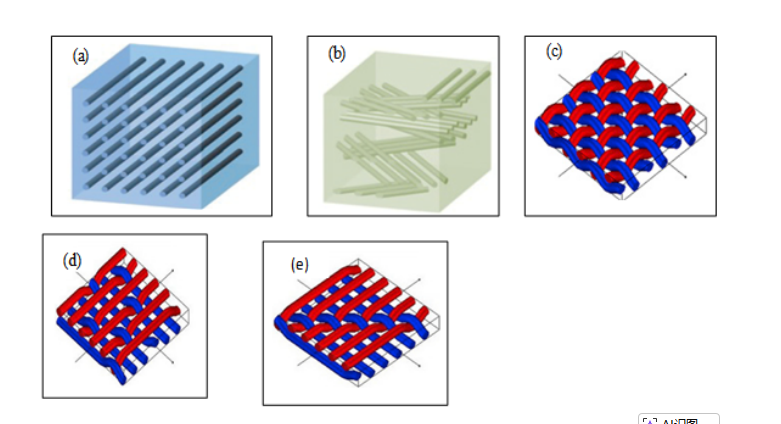
    This review critically examines the ballistic performance and impact resistance of composite fabrics, with a particular focus on their role in next-generation protective systems. While previous work has focused on general ballistic materials, relatively few studies have provided a systematic and integrated synthesis that links material selection, structural design parameters, and recent nanotechnology improvements. This work addresses this gap by offering a comprehensive classification of composite fabric configurations, considering key factors such as fiber types, fabric architecture, thickness, stacking sequence, and layer orientation. The influence of these parameters on deformation behavior, failure mechanisms, and energy absorption efficiency is discussed in detail. It also evaluates standardized testing methods, current reference benchmarks, and limitations of current testing protocols. Recent advances, including high-strength fibers, hybrid architectures, and multifunctional material interactions, are analyzed to highlight emerging trends and unresolved challenges. By organizingrecent progress within a unified analytical framework, this review offers researchers, engineers, and practitioners actionable insights for the design and optimization of advanced ballistic impact materials. Furthermore, it outlines key research gaps and future directions, particularly in the areas of multifunctional integration, lightweight design, and improved predictive modeling for high-strain-rate impact conditions.